Nashville Metro Plumbing
Nashville Water Heaters
When your water heater stops working, the whole house comes to a standstill. Straightforward pricing: no surprises, no hidden fees.
Repair, Replacement and Maintenance
We repair water heaters, replace them, and service what we install. Whichever one you need, the onsite estimate is free and the price is agreed before we start.
Most calls start the same way: no hot water, not enough of it, or a puddle on the floor. Whether you call it a water heater or a hot water heater, it is the same unit and the same job. The first job is working out whether you are looking at a repair or a replacement, and we will tell you which one it is. A thermostat, element or thermocouple on a unit with years left in it is worth fixing. A tank that has rusted through is not repairable at any price, and we would rather say so than sell you a repair that buys six months.
A conventional tank is cheaper to install, simpler to service, and the right answer for plenty of houses. If you are weighing up going tankless instead, that is a different job with its own gas and venting requirements, and it has its own page: tankless water heaters in Nashville.
Repair or Replace
There is no universal rule, but there are a few signals that settle it quickly.
Replace it when the tank itself is leaking. Water coming from the body of the tank means the steel has corroded through, and nothing patches that. The same answer applies if the unit is past ten or twelve years and has started needing attention, or if you are getting rusty water on the hot side only, which usually means the lining and the anode are both gone.
Repair it when the unit is otherwise sound and what failed is a part. Thermostats, heating elements, thermocouples, gas valves, and leaking fittings on top of the tank are all replaceable, and worth replacing on a heater with years left in it. A noisy tank is often just sediment and can be flushed rather than replaced.
On an older heater it is worth weighing the repair cost against replacement carefully. Once a unit is near the end of its life, fixing one failure often just buys time until the next one, and chasing parts turns into an expensive game of whac-a-mole that never really solves the problem. We will tell you what the repair costs, what a replacement costs, and what we would do if it were our house. The decision stays yours.
Gas, Electric or Heat Pump
Which unit is right comes down to what fuel is already at the house, how much hot water you actually go through, and how much room there is. We install all of them, and we will tell you which one makes sense for your house rather than which one is easiest to sell.
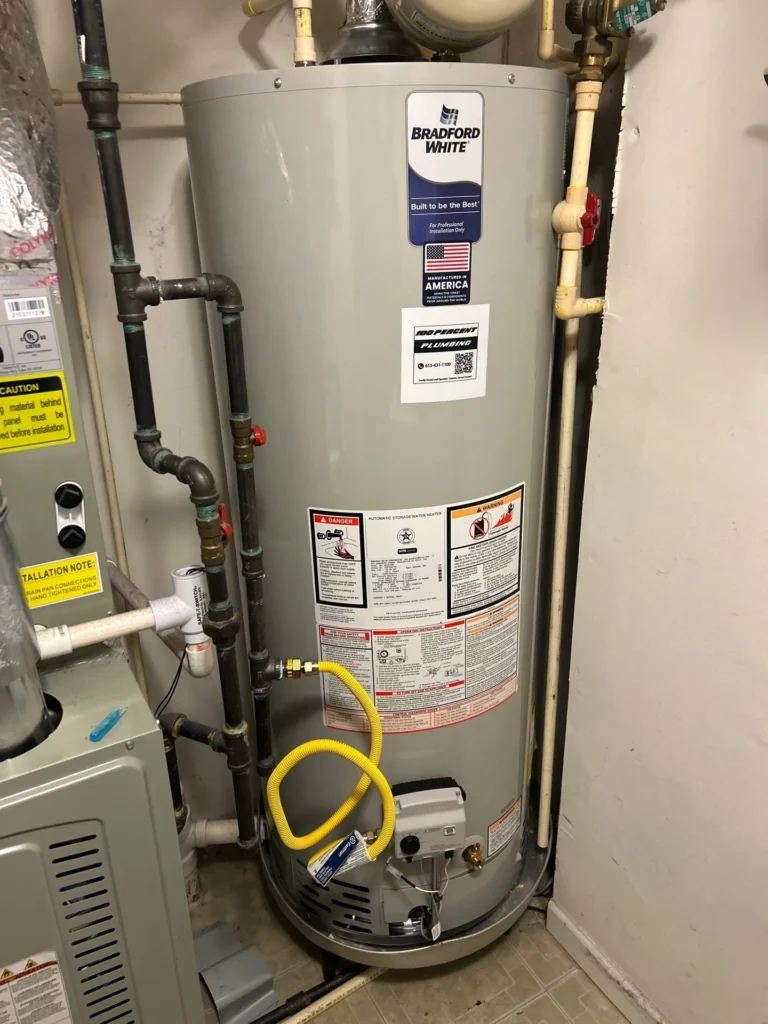
Gas is the default in most Nashville houses and the cheapest to run when the line is already there. We fit a lot of Bradford White, which is still made in the USA and holds up well. A 40 or 50 gallon unit covers most families, and it gets an expansion tank whether or not the old one had it.
Electric has come a long way. Essency units use a polymer tank instead of steel, so there is nothing in there to rust, and they carry a 20 year warranty. They are noticeably more efficient than the electric heaters they usually replace, and they are a straight swap for a house with no gas service.
Heat pump water heaters, like the Rheem hybrids, pull warmth out of the surrounding air rather than making all of it from scratch, so they cost the least to run of anything with a tank. They need some clearance around them and a space that stays reasonably warm, which makes a garage or basement a better home for one than a hall closet.
Tankless is the fourth option, and it has its own page. Navien and Rinnai are the two we install most.
What the Install Actually Involves
Capacity and fuel type set the starting price. After that it comes down to the space: a gas unit needs venting that meets code, and if the old install was not right, the new one has to be corrected rather than repeated. Tight closets, attic installs, and units that need new shutoffs or an expansion tank all add work beyond the heater itself. We pull permits where the work calls for one.
If it has already failed and you are without hot water, emergency service is available. Shutting the water off at the main and waiting until morning is usually the cheaper option, and we will say so when it is.
Nashville Water Is Hard on Heaters
Scale settles in the bottom of a tank and insulates the burner from the water it is meant to be heating, which is why an eight-year-old heater around here can sound like it is full of gravel. Flushing it helps. So does treating the water before it gets there, which is what water softening is for if you would rather not replace another heater early.
Getting More Years Out of a Tank
Scale is what shortens a tank’s life around here. Minerals drop out of the water and settle on the bottom, so the burner ends up firing through a layer of sediment to heat the water above it. The tank works harder and runs longer for the same shower. Draining and flushing it once a year clears that out, and it is the single most useful thing you can do for a heater you already own.
Better still is to stop the scale forming at all. A softener, or a salt-free conditioner, treats the water before it ever reaches the heater, which protects the tank along with the fixtures and every appliance downstream of it. On a house with genuinely hard water that will add more years to a heater than anything else you can do to it. See softeners and salt-free conditioners if that is worth a look.
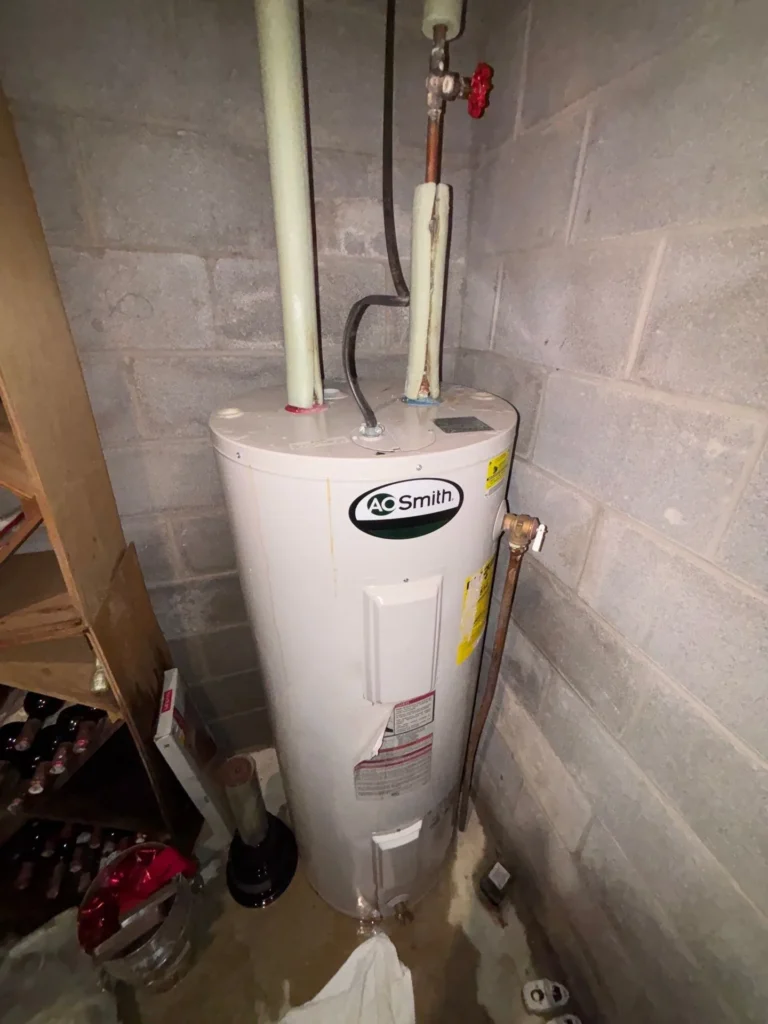
There is also the anode rod, the sacrificial rod inside the tank that corrodes so the steel around it does not. It does matter, and once it is used up the tank starts rusting from the inside. But we will be straight with you: pulling and replacing one is awkward work, and paying to have it done is not cheap next to what you get back. It earns its keep mainly if you are willing to do it yourself. We wrote up how to replace a water heater anode rod so you can see what is involved before you decide.
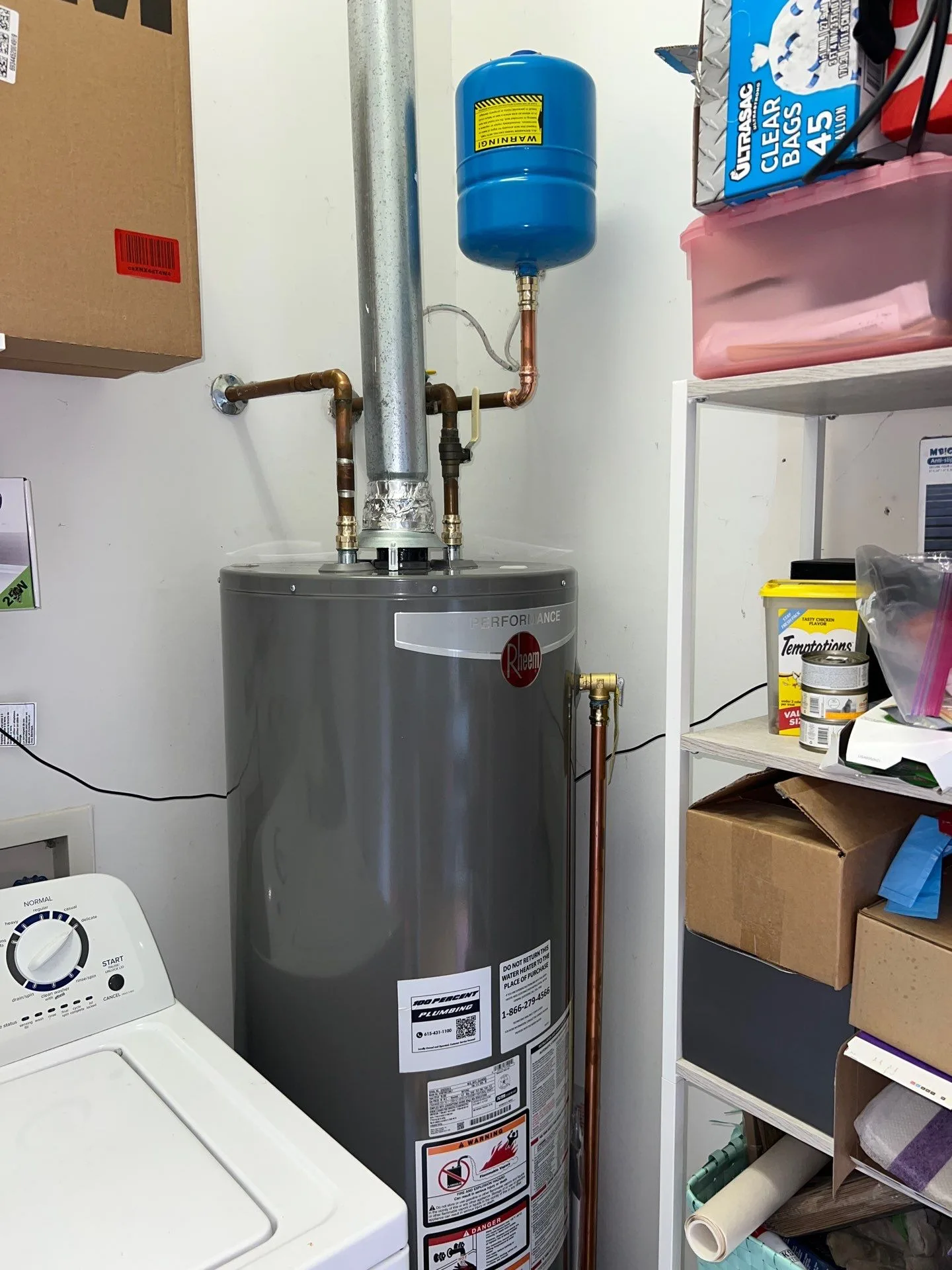
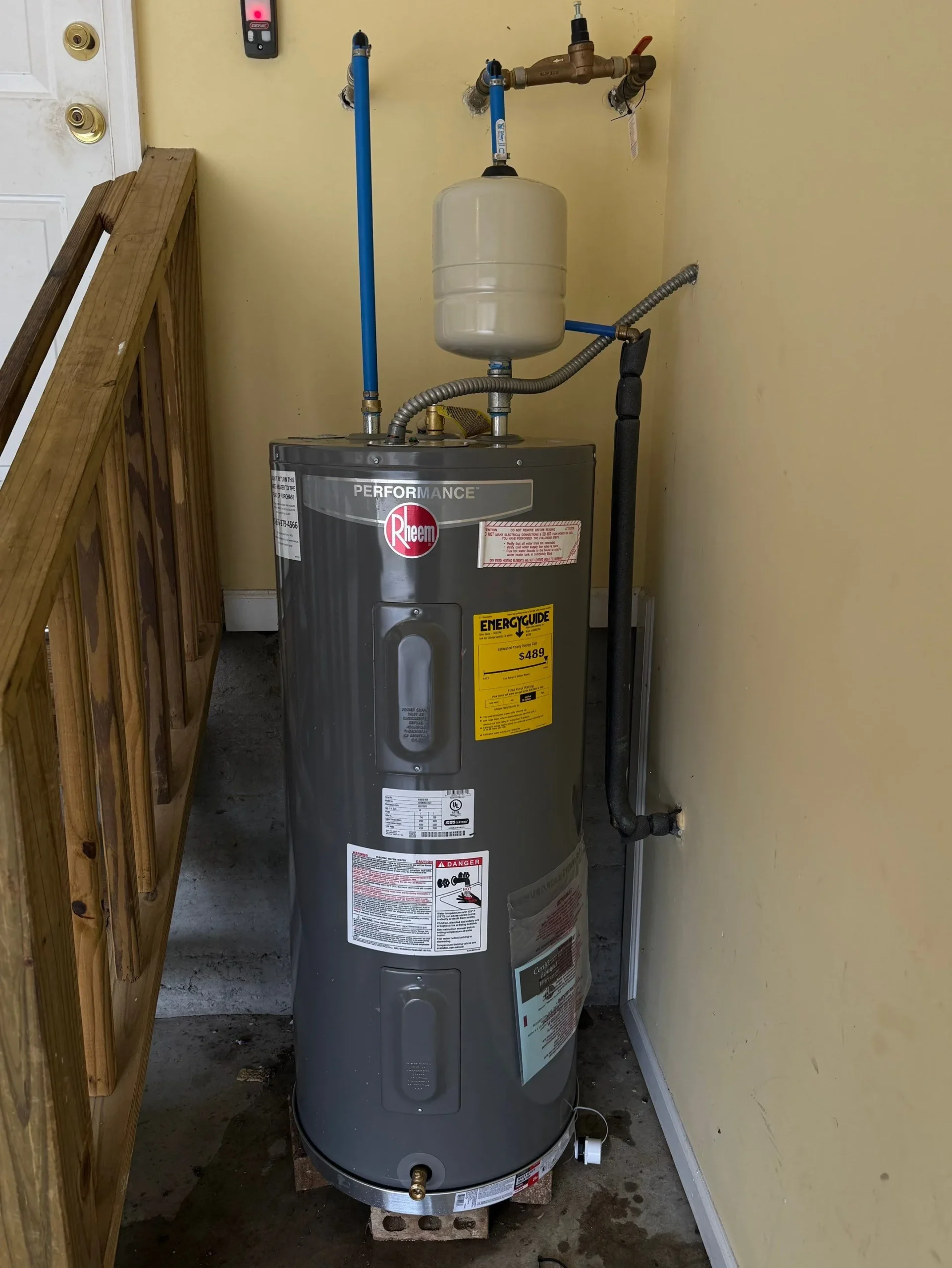
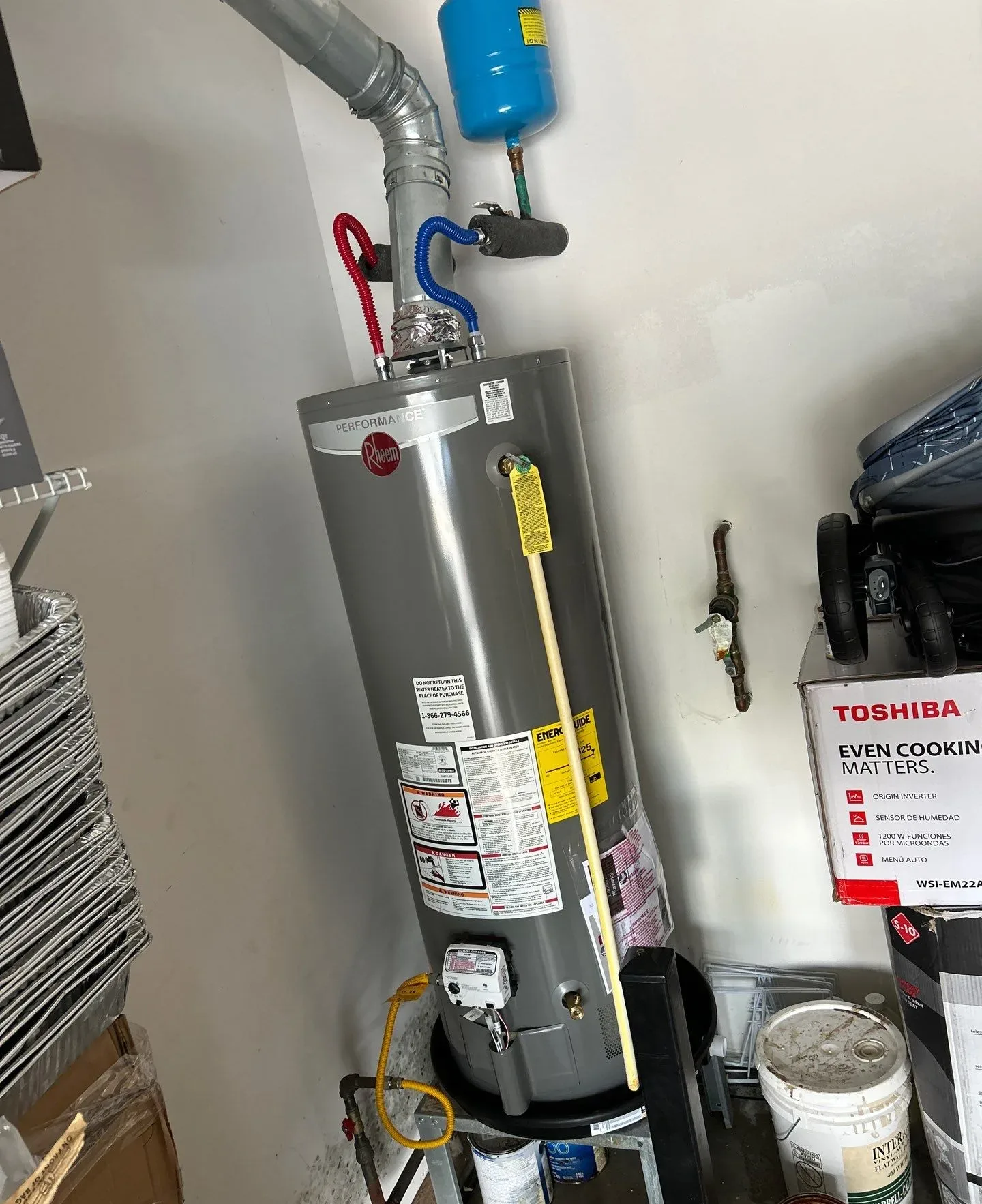
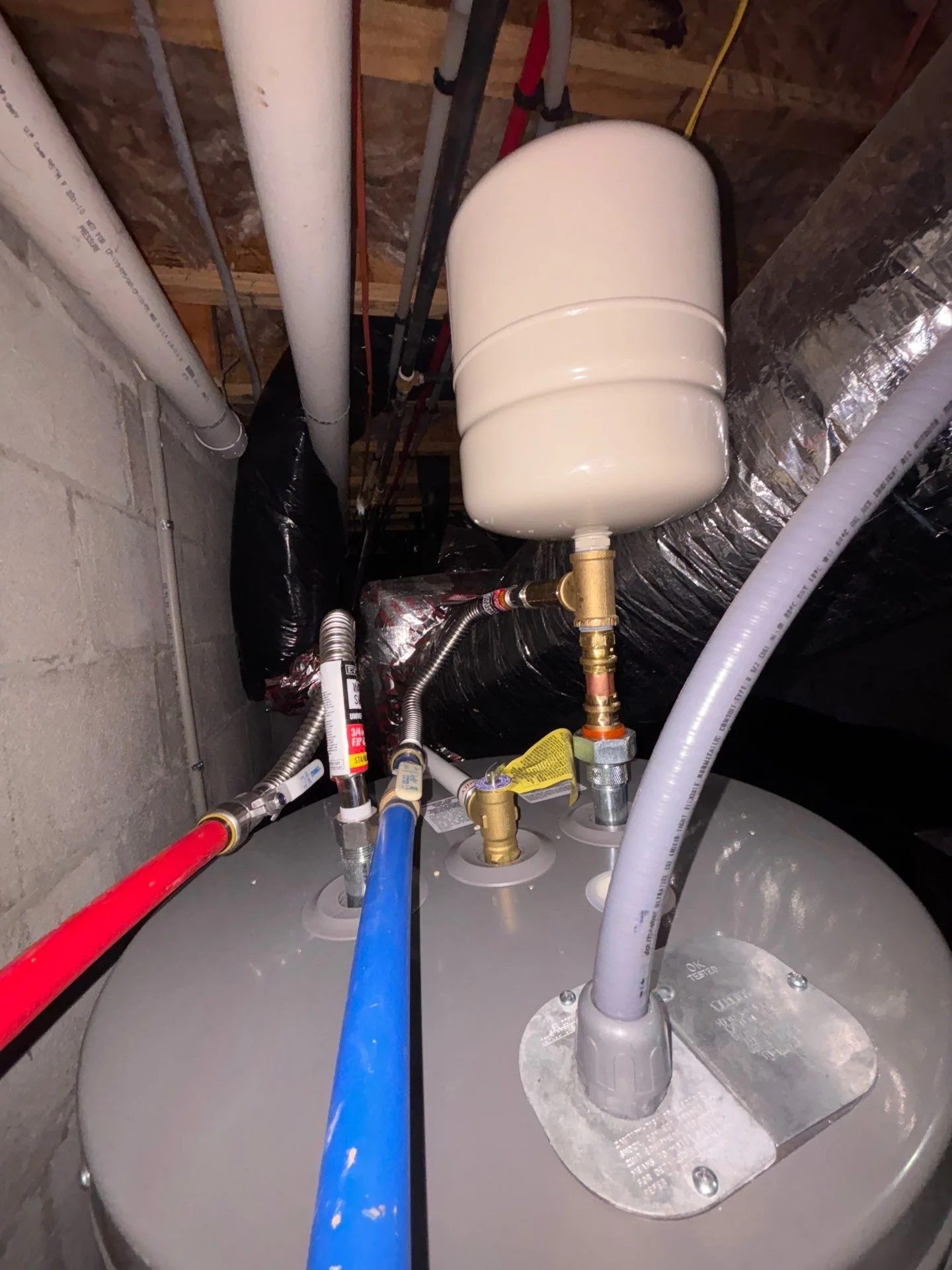
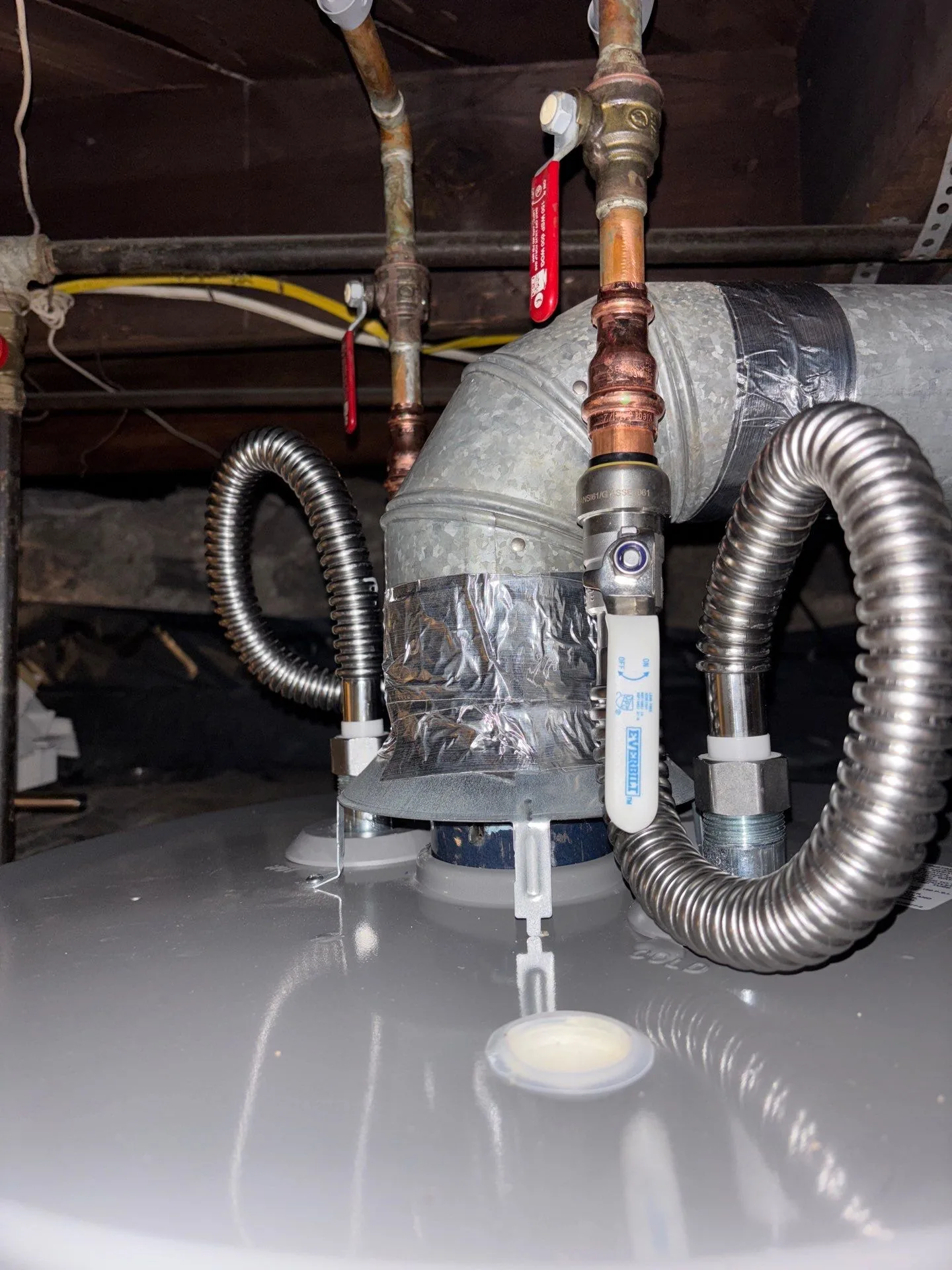
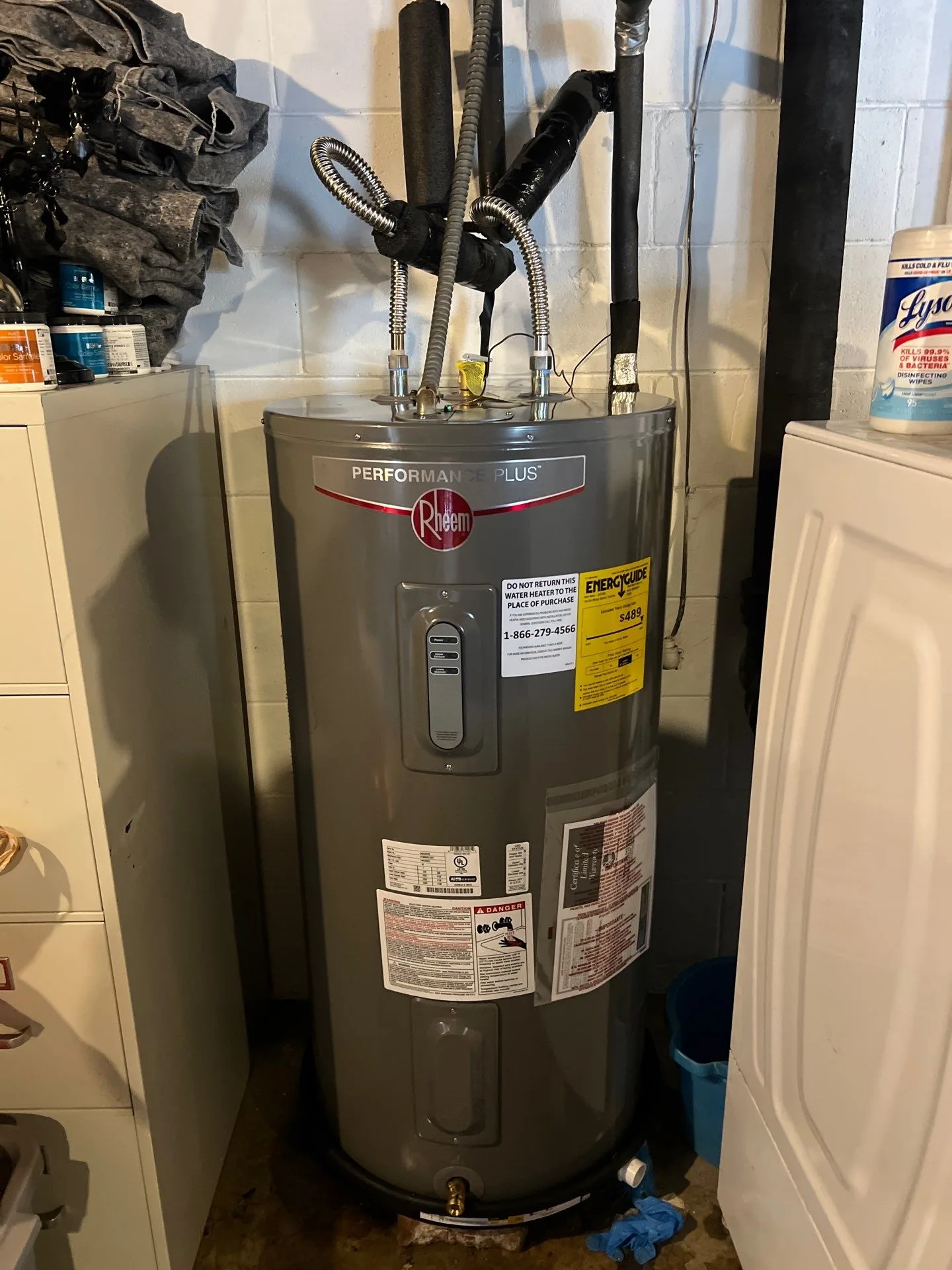
A tank replaced before it failed
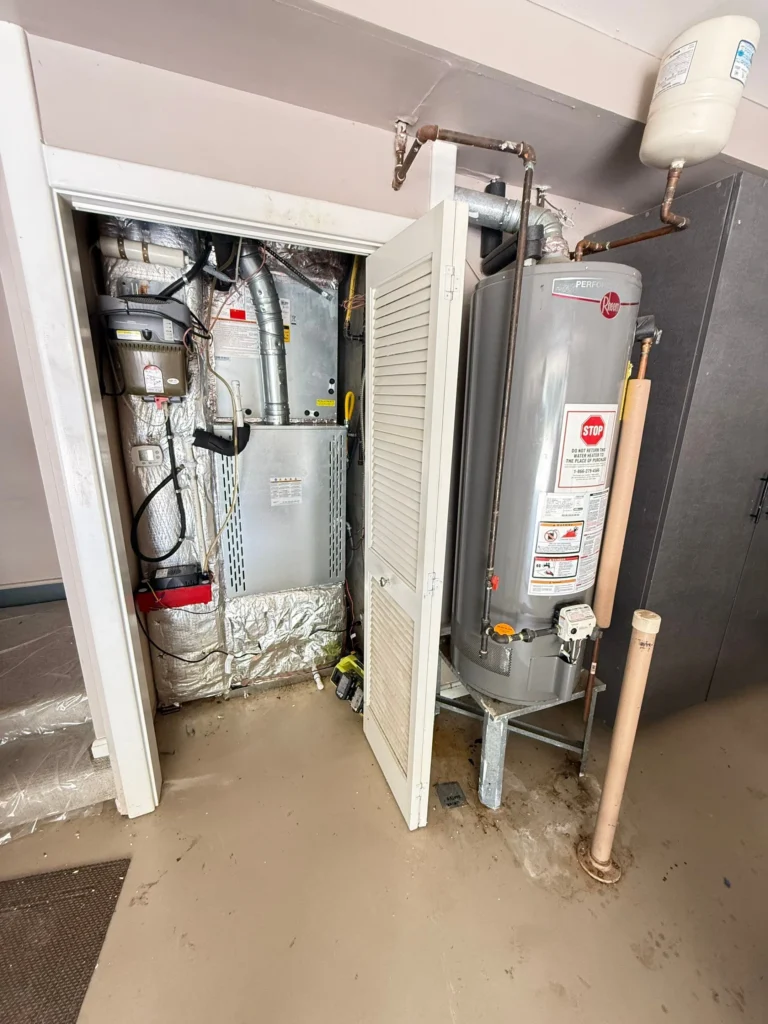
Another Nashville home, converted to tankless
Both of these are our own installs, photographed on the job · not catalog images
Signs Your Water Heater Needs Attention
Water not heating correctly, or running out quickly
A leaky tank or pipes
Rusty or cloudy water: a sign of sediment buildup
Unusual noises: clanging, popping, or hissing
Why Nashville Chooses Us
Always nearby: Nashville-wide service, not routed through a call center
Experienced technicians who’ve seen every make and model
Customized solutions, not one-size-fits-all replacements
Straightforward pricing: no surprises, no hidden fees
Fixed price agreed before we start
Common Questions
Is it cheaper to repair or replace a water heater?
It depends on the unit’s age and what failed. A thermostat, element, or thermocouple on a unit with years left in it is worth repairing. A tank that has rusted through is not repairable at any price. If your unit is near the end of its expected life we will tell you, rather than sell you a repair that buys six months.
What drives the cost of a water heater replacement?
Capacity, fuel type, and what the install involves. Gas units need proper venting, and if the old install was not to code the new one has to be corrected. Tight closets, attic installs, and units that need new shutoffs or expansion tanks all add work beyond the heater itself.
How long does a water heater last?
A conventional tank typically runs eight to twelve years depending on water quality, and Nashville’s hard water is not kind to them. Tankless units last considerably longer if they are descaled on schedule. If yours is past ten years and acting up, plan for replacement rather than being surprised by it.
More on how we price our work, including why we quote a fixed price instead of charging by the hour.
Need water heater help? We’re one call away.
Fast service across the Nashville metro. Talk to a real technician, not a call center.