Nashville Metro Plumbing
Water Filtration Systems in Nashville, TN
If your water smells like a swimming pool, tastes flat or chemical, or leaves a residue on dishes and glassware, water filtration is the fix.
What’s Actually in Nashville’s Water
Municipal water in Nashville is treated but still contains chlorine and chloramine, disinfection byproducts formed when chlorine reacts with organic matter from the Cumberland River, added fluoride, and sediment that accumulates in water heaters and appliances.
Softening, Filtration and Reverse Osmosis Do Three Different Jobs
These three get talked about as though they were the same product. They are not, and the one you need depends on what is actually bothering you.
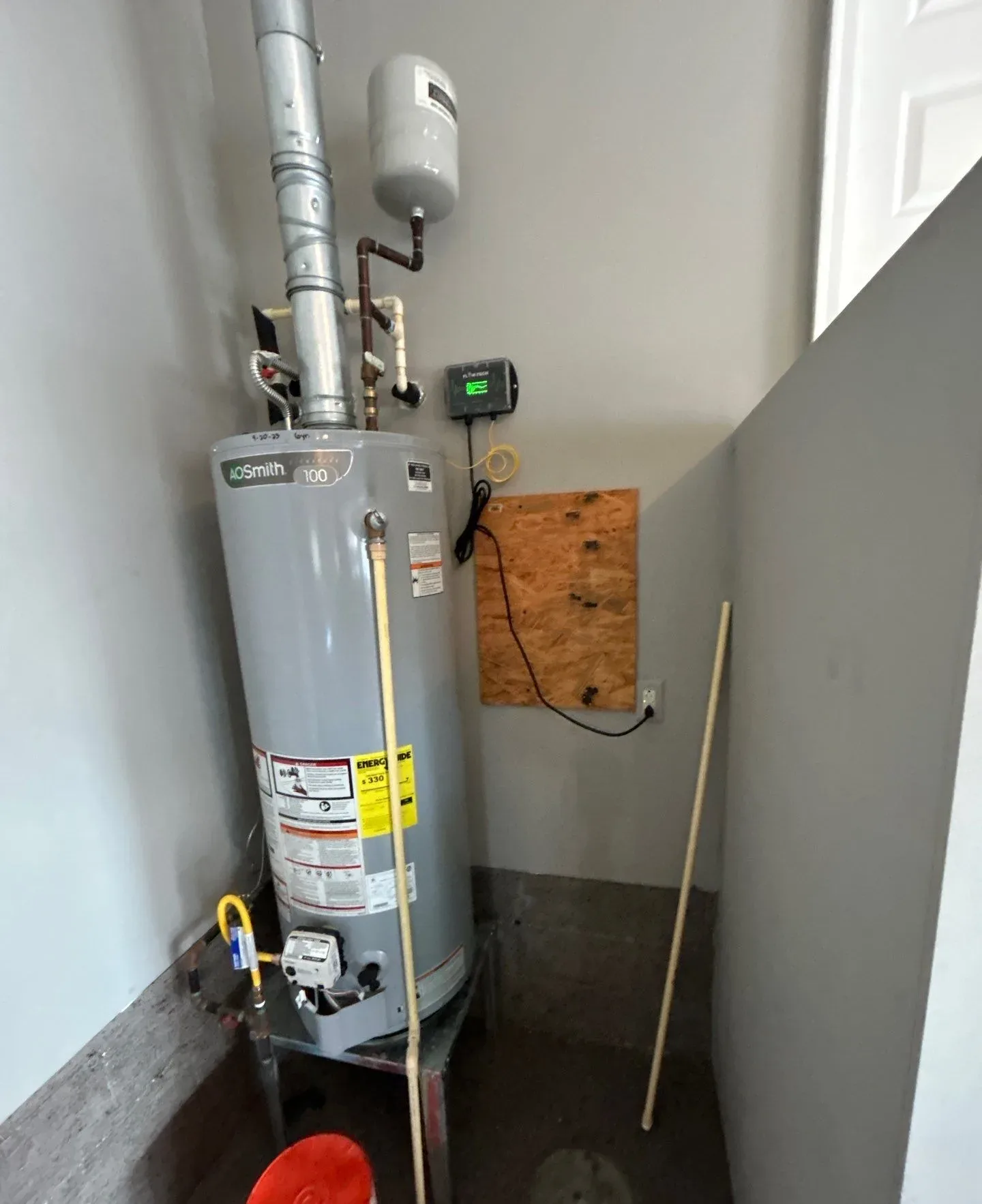
Softening and conditioning deal with hardness, the dissolved calcium and magnesium that leave scale in a water heater, spots on glassware and a film on the shower door. A softener removes those minerals by ion exchange, which is why the water feels different and soap finally lathers. A salt-free conditioner leaves them in but changes their form so they stop sticking to pipe walls and heat exchangers. Neither one is a filter, and neither will do much for taste.
Filtration deals with what you can taste and smell, chlorine and chloramine, the byproducts that come with them, and sediment. A whole-home carbon filter sits where the water enters the house and treats every tap, the shower included. It will not soften anything. Hardness is a mineral rather than a contaminant, and carbon passes it straight through.
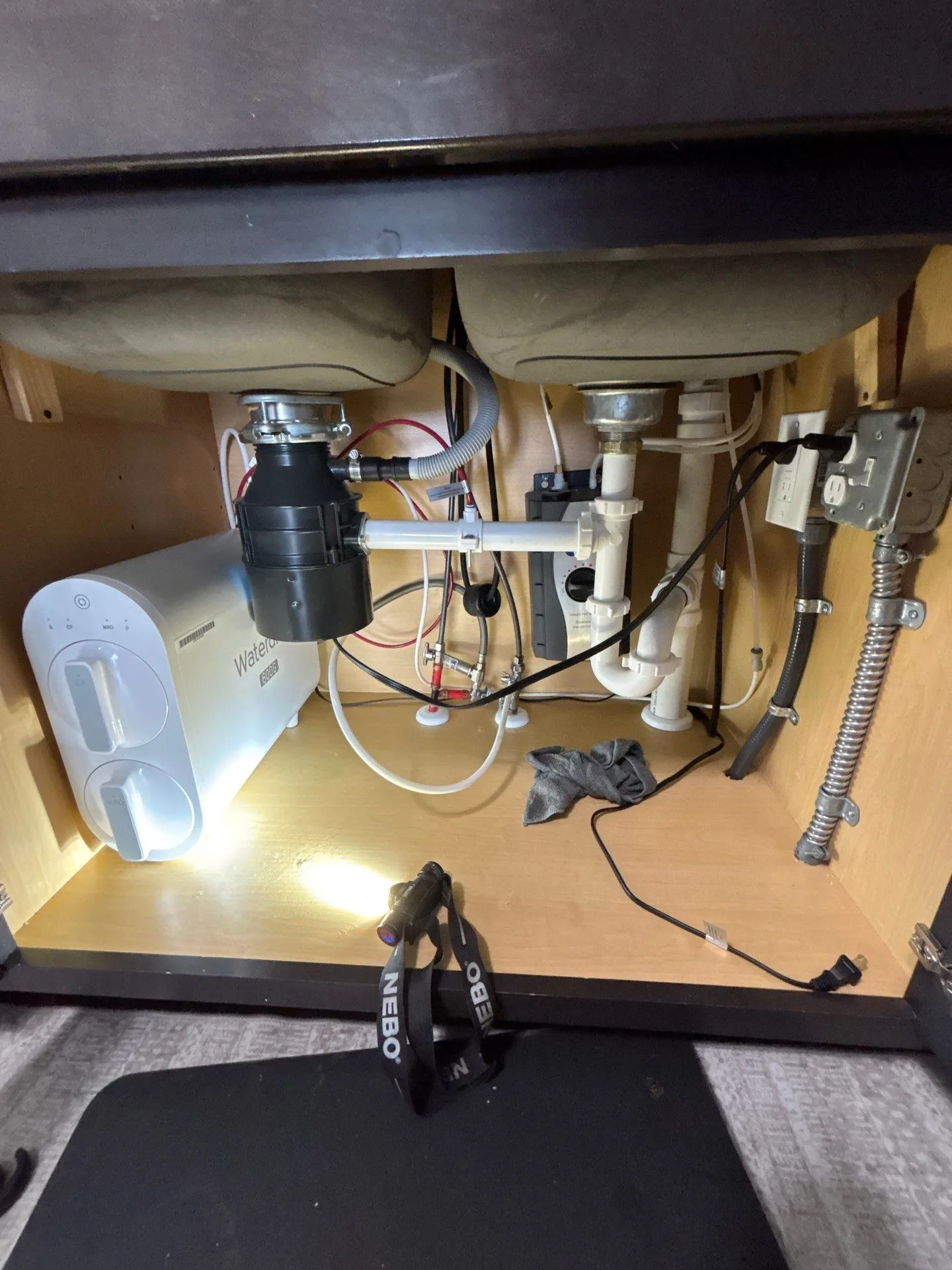
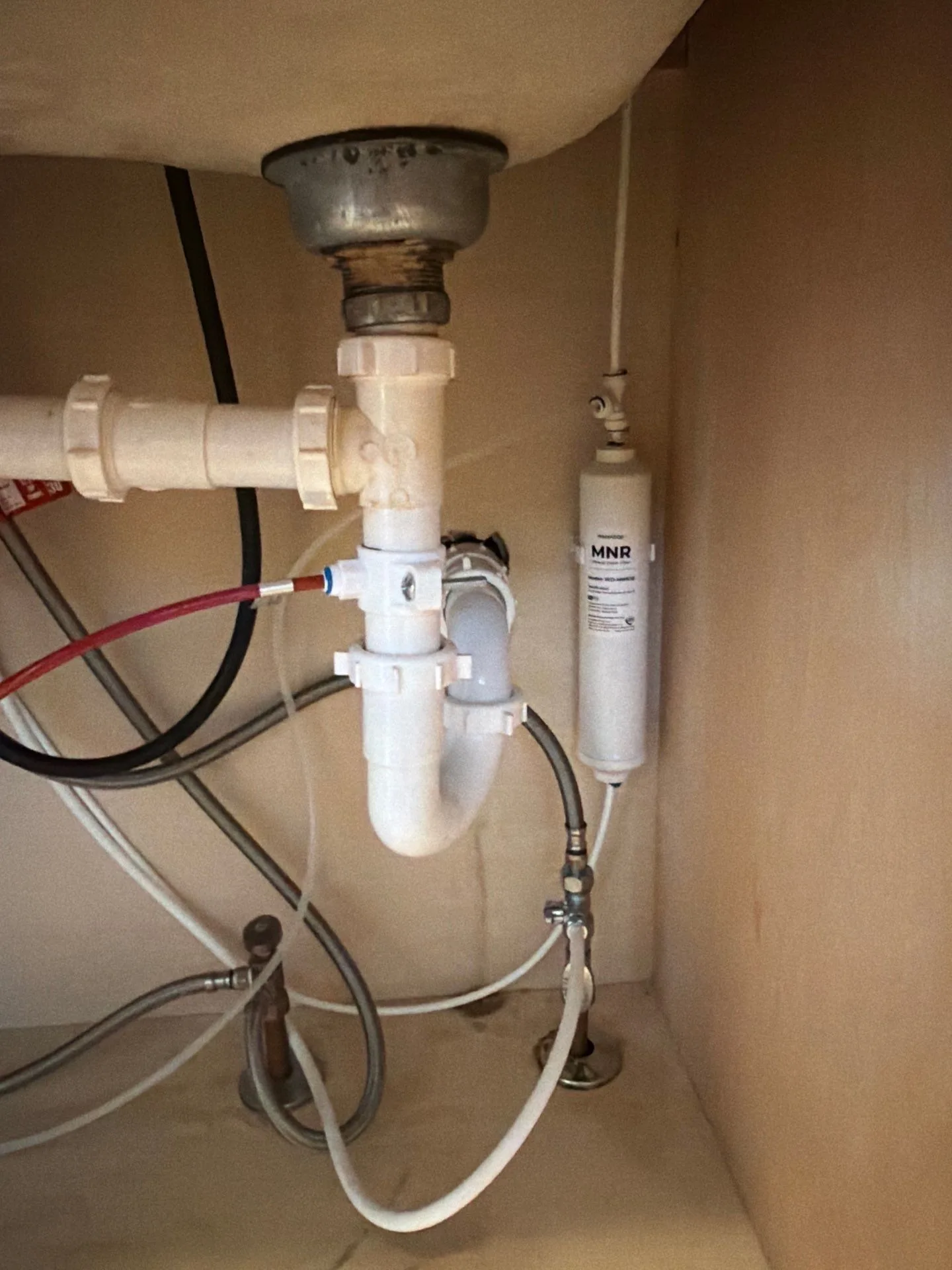
Reverse osmosis is the fine end of it, at one tap. It pushes water through a membrane that takes out dissolved solids a carbon filter cannot, and it goes under the kitchen sink for drinking and cooking rather than on the whole house.
Plenty of Nashville homes want two of the three, usually a carbon filter for the taste and a softener or conditioner for the scale. We test first, so what you buy is the thing that fixes what you noticed. See water softening, whole-home filters or reverse osmosis for each on its own.
Two Ways We Solve It
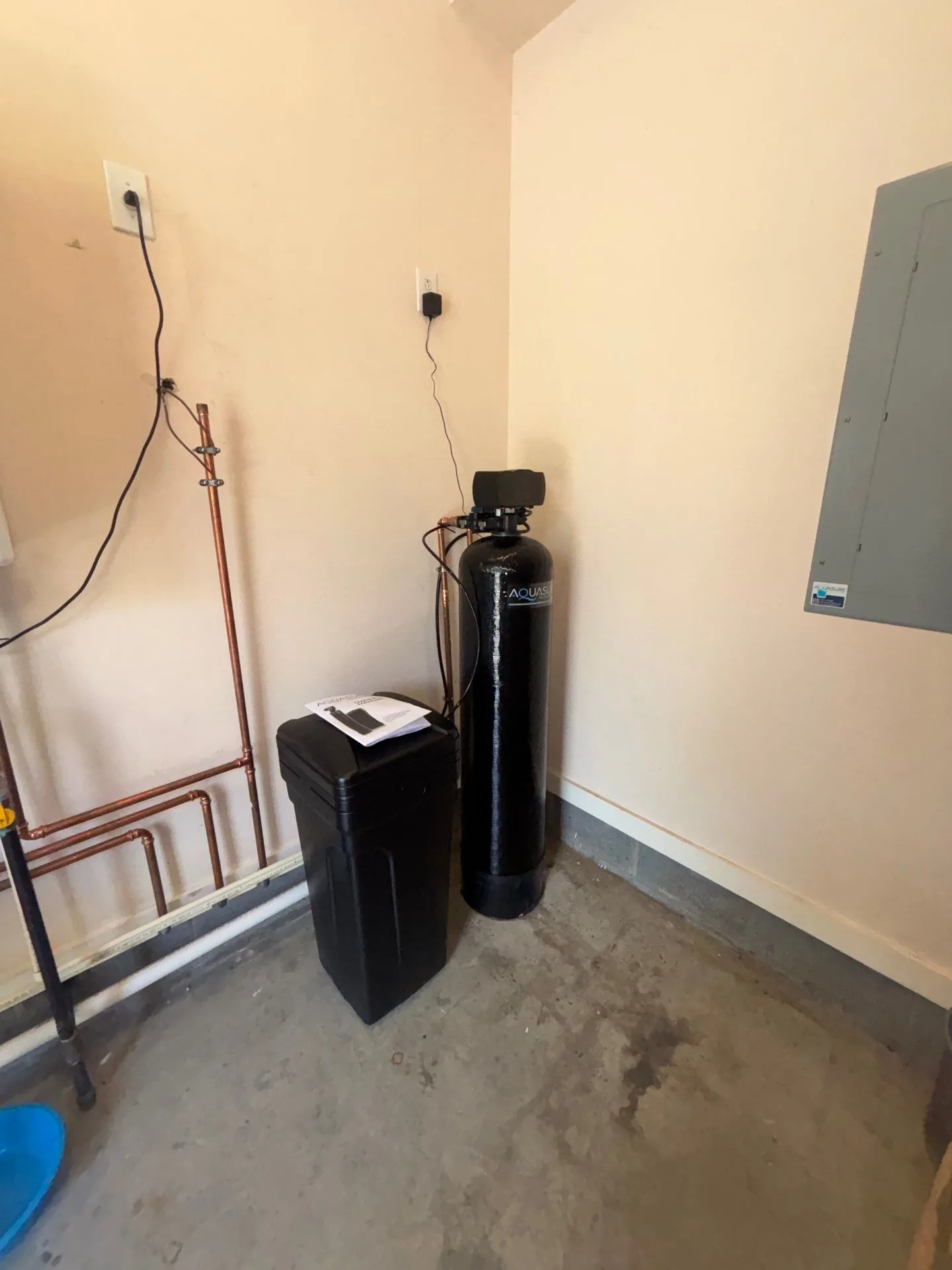
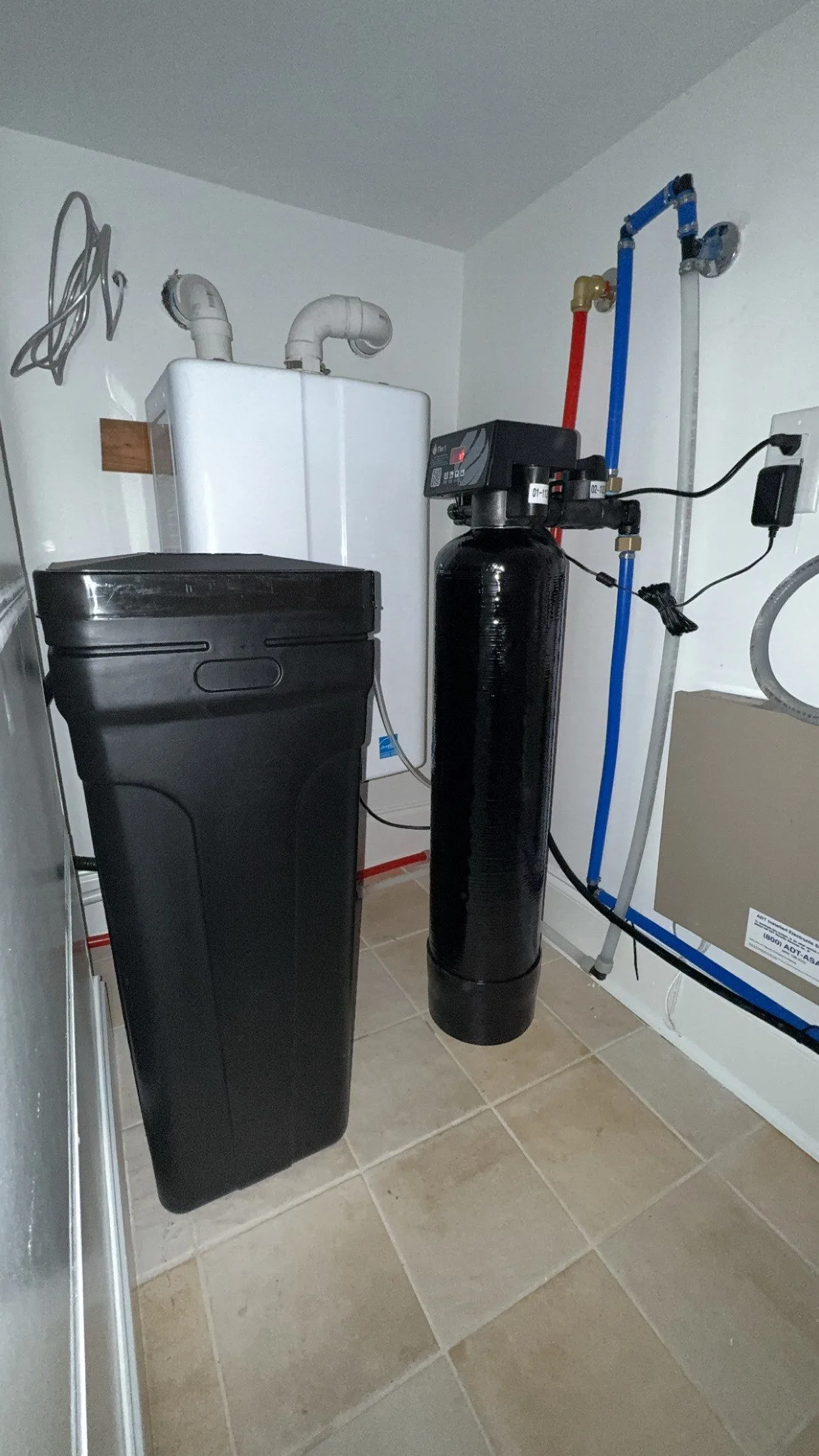
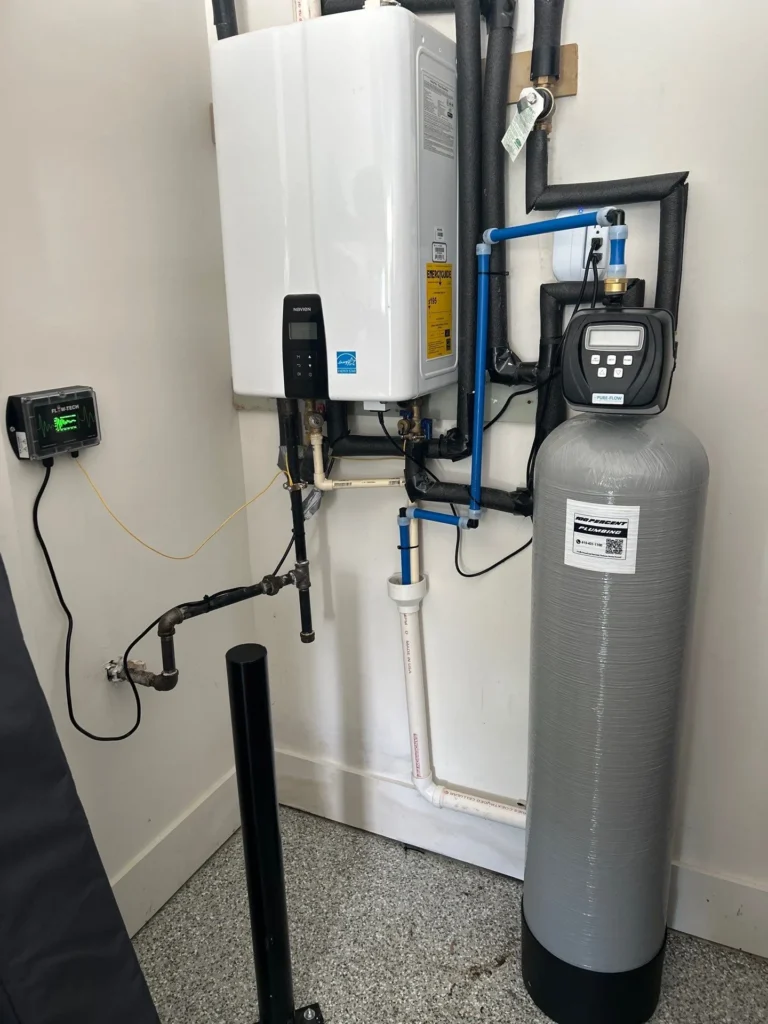
Whole-Home Carbon Filters: installed at the line entry, treats every tap in the house
Reverse Osmosis Systems: installed under the kitchen sink, removes up to 99% of dissolved contaminants
Signs You Need Filtration
Water smells like chlorine or a swimming pool
Flat or chemical taste
Residue left on dishes and glassware
Dry skin or hair after showers
Common Questions
What kind of filtration do I actually need?
That depends on what is in your water and what bothers you about it. Chlorine taste, sediment, hardness, and specific contaminants all call for different equipment. We would rather size the system to your actual water than sell you the biggest one.
What drives the cost of whole-home filtration?
System type and capacity, plus the install itself. Where the main enters the house, available space, and whether there is a drain and power nearby all affect the work involved.
How often do filters need changing?
It varies by system and by how much water the household uses. We will give you the schedule for what we install, and it is worth keeping to. A neglected filter is worse than no filter.
More on how we price our work, including why we quote a fixed price instead of charging by the hour.
Ready for cleaner water? We’re one call away.
Free onsite estimates on every water filtration system we install.