Nashville Metro Plumbing
Tankless Water Heater Installation in Hermitage
Hermitage homes built in the seventies and eighties are coming due on their water heaters, and plenty of owners are asking whether to put another tank back in the closet. Here is what a tankless conversion actually involves on this side of the river.
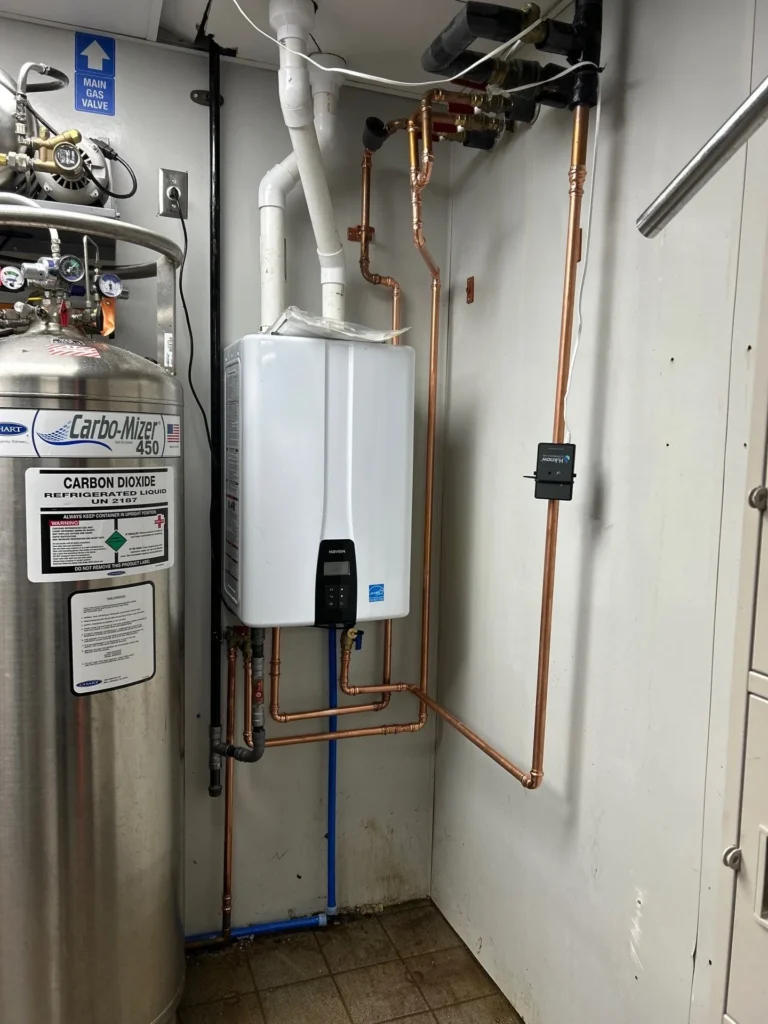
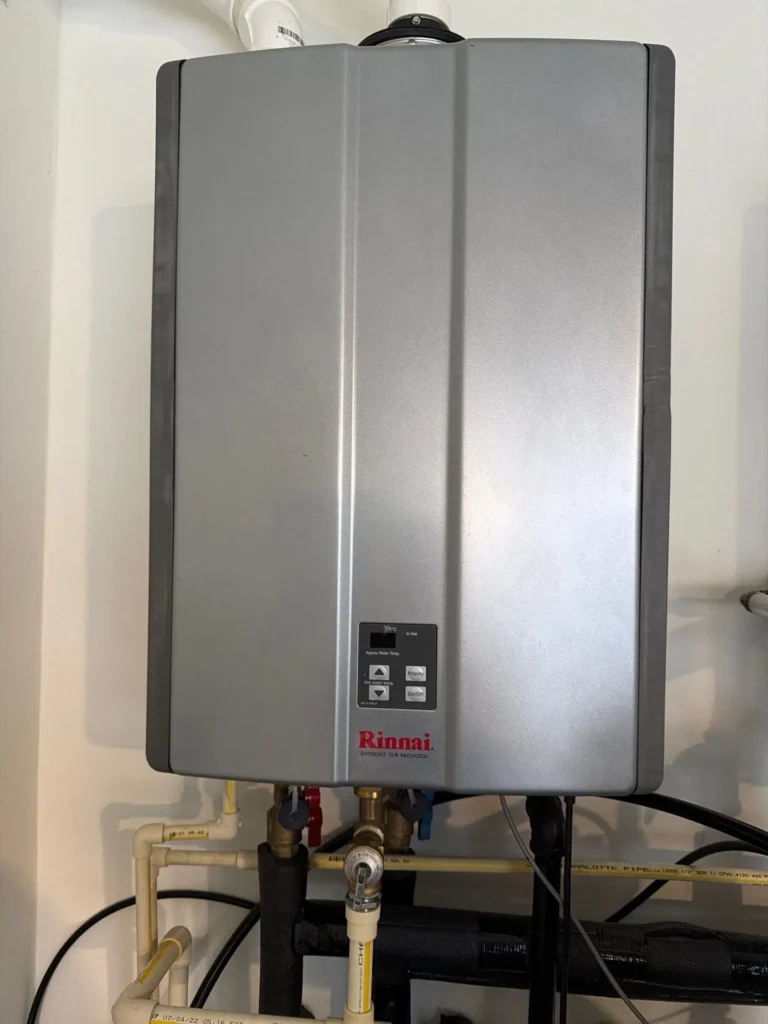
Tankless Water Heater across the Nashville metro
Converting a Hermitage Home from Tank to Tankless
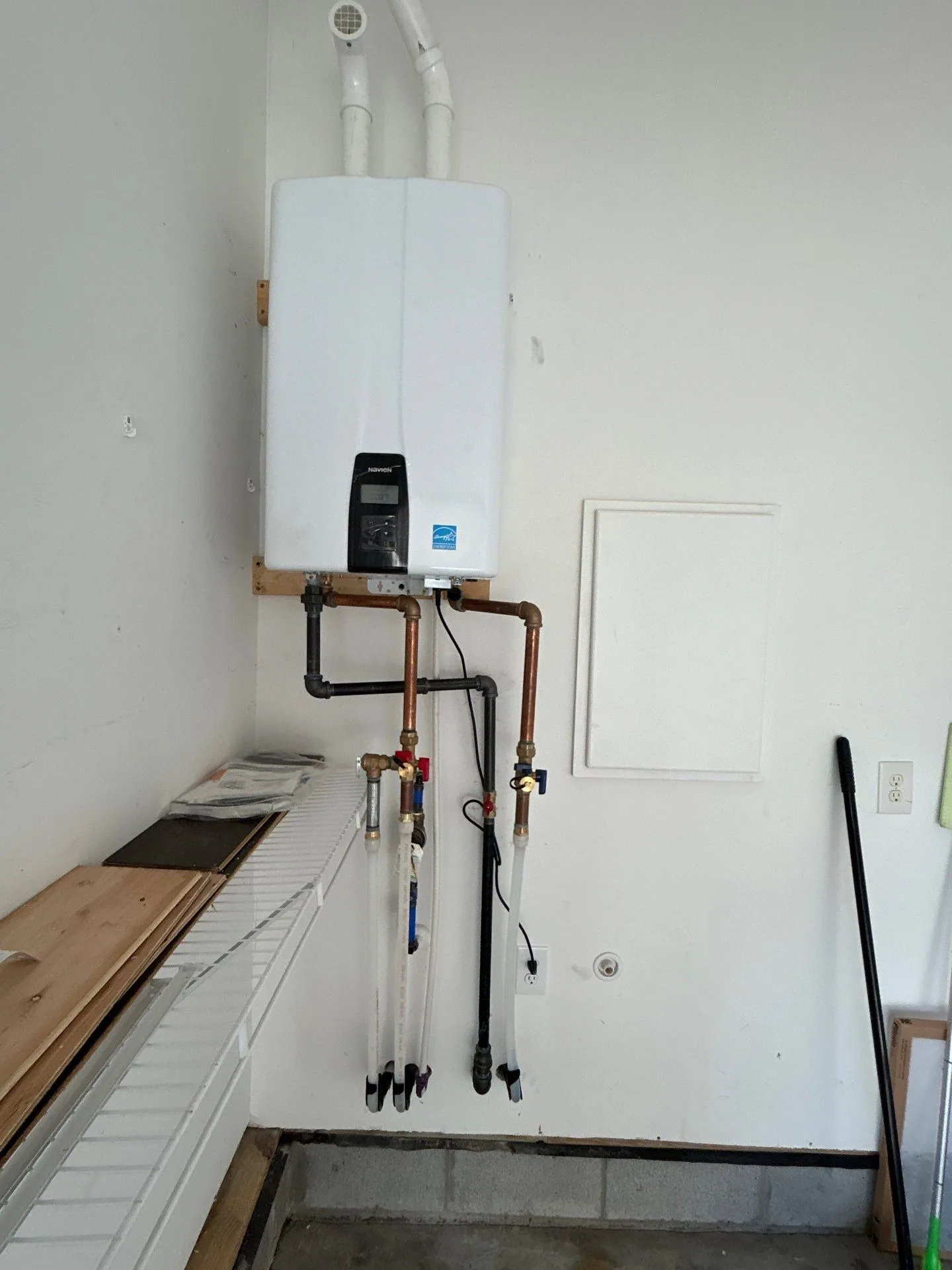
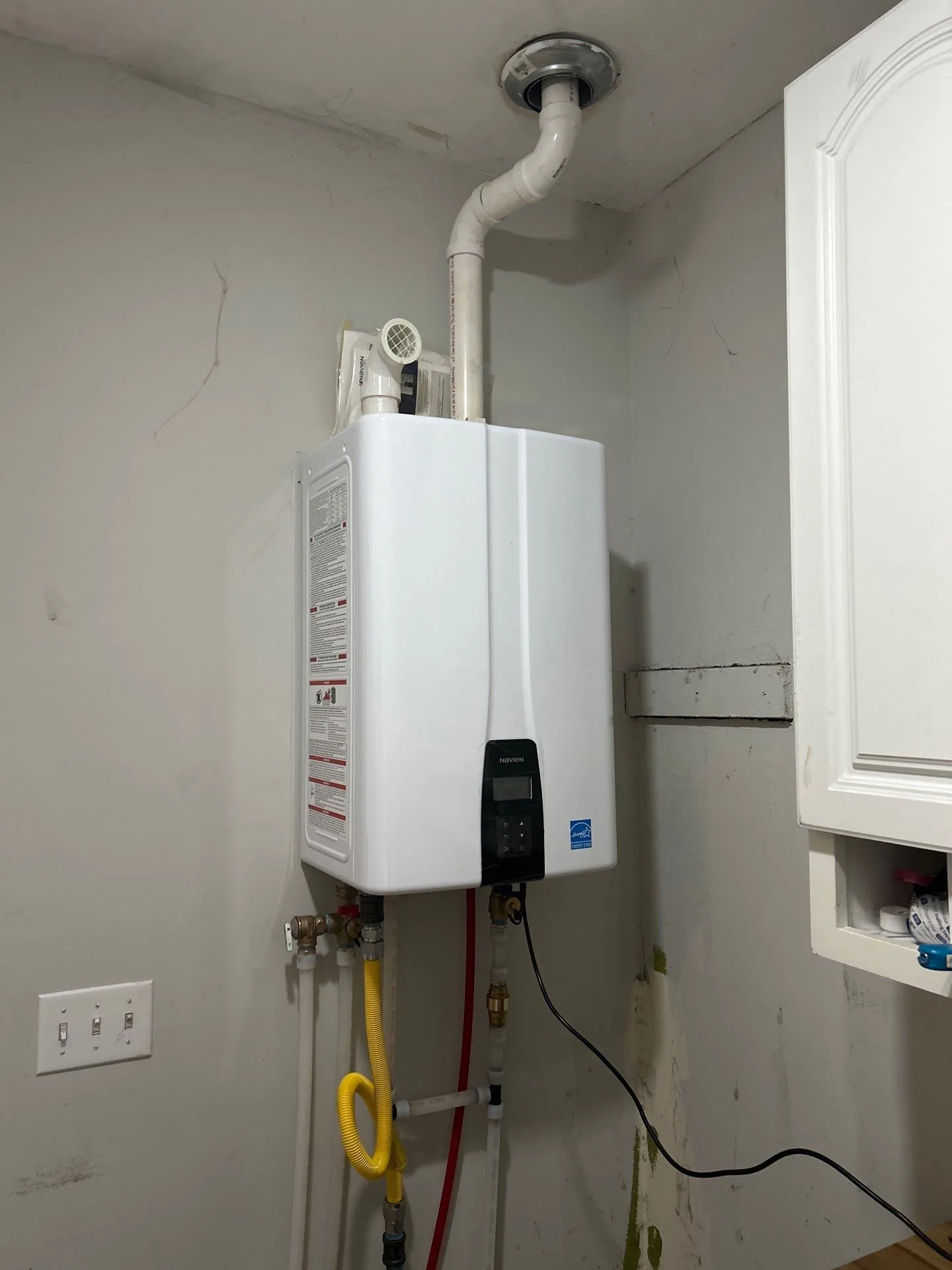
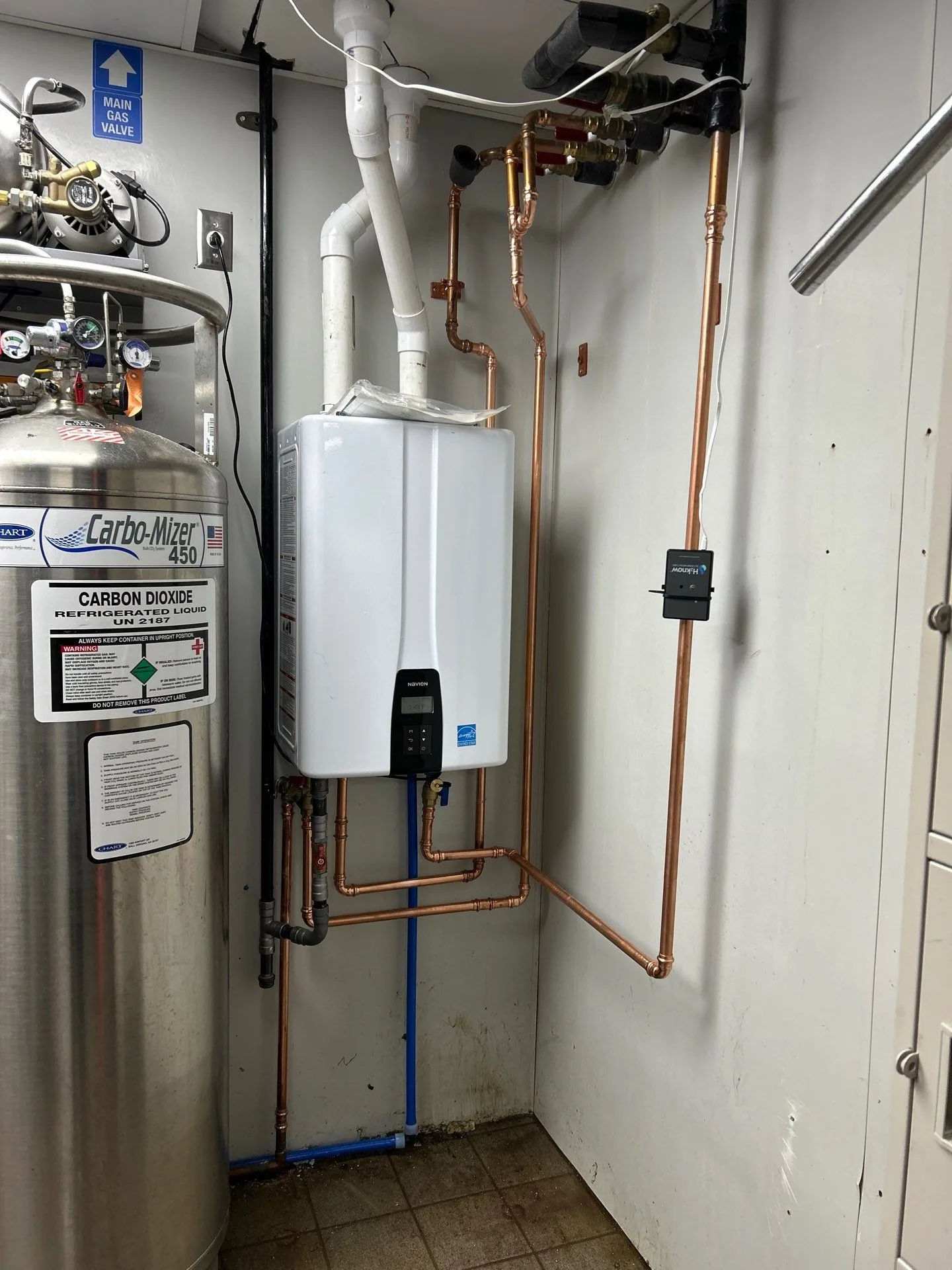
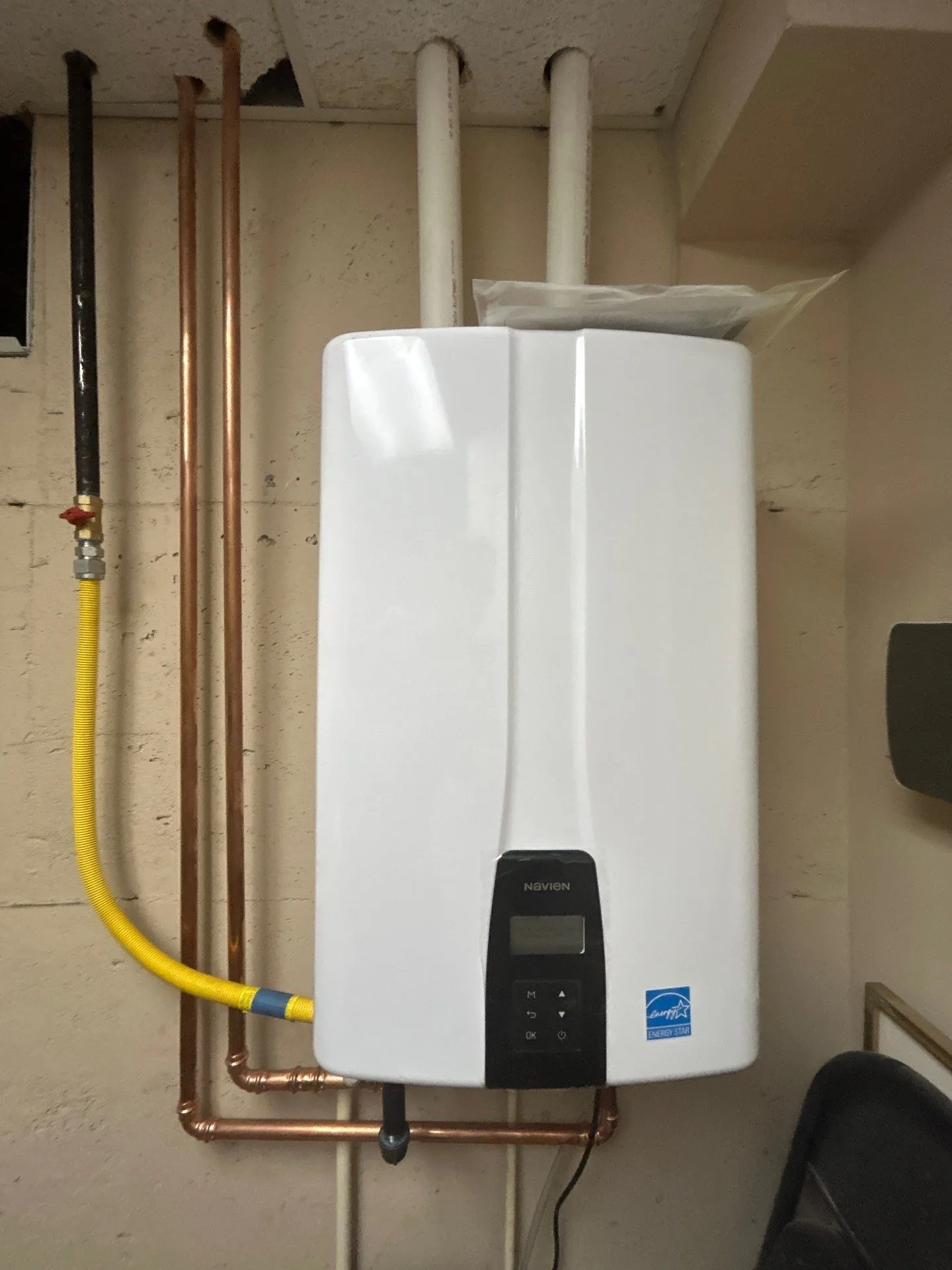
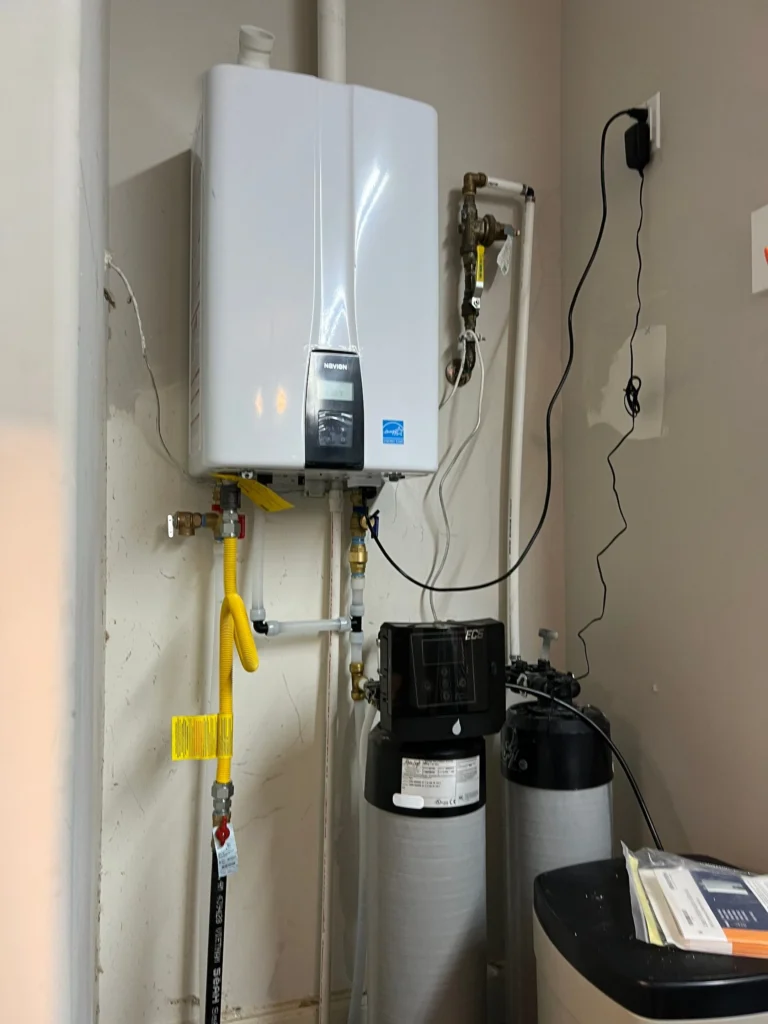
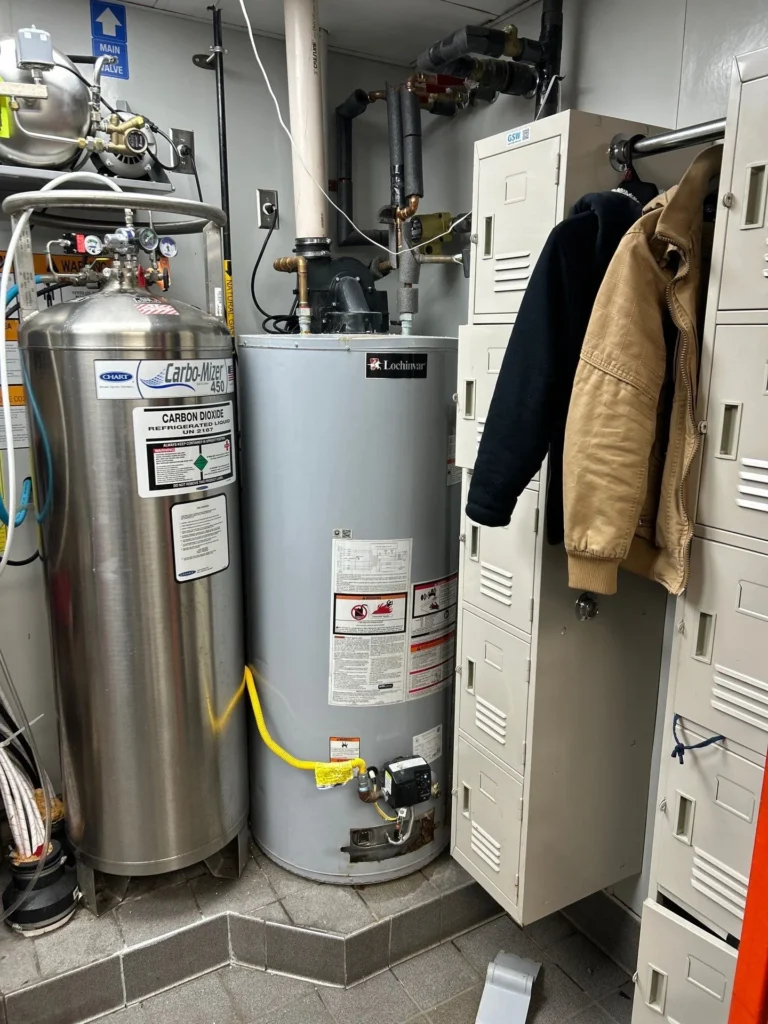
Most of the tankless work we do in Hermitage is a conversion rather than a new build. A forty gallon gas tank has reached the end of its life, the homeowner has read that tankless never runs out, and the question is whether the house can take one. The honest answer is that most can. The cost lives in the gas line and the venting rather than in the unit itself, which is why two quotes on the same model of heater can be a thousand dollars apart.
Hermitage housing helps here more than it hurts. A lot of the stock along Old Hickory Boulevard and back toward the lake sits on a crawlspace, which means the gas line runs somewhere we can reach without opening a slab or cutting into a finished ceiling. That is often the difference between a one day job and a three day one, and it is worth knowing before you go shopping for a unit.
The gas line is usually the deciding factor
A tank heater might draw 40,000 BTU. A whole-house tankless unit draws three to five times that, all at once, because it heats on demand rather than keeping a tank warm. The half-inch line that fed the old tank is frequently undersized for it. In a crawlspace house we can usually run new three quarter inch line from the meter without touching a finished wall. On a slab the route matters a great deal, and we would rather find that out during the estimate than on install day.
Venting and condensate
A tankless unit does not vent up the old flue. Condensing models vent through stainless or PVC, usually out a side wall, and they produce acidic condensate that needs a drain and often a neutralizer. That routing decides where the unit can physically go, which is why we want to look at the space before quoting rather than giving you a number over the phone.
Sizing it for the house
Tankless is rated in flow at a given temperature rise, not in gallons stored. Groundwater here arrives cold enough in winter that a unit sized on a summer number will disappoint in January. We size on winter inlet temperature and on how many fixtures realistically run at once. Undersizing is the single most common reason people end up unhappy with a tankless system.
Where Tankless Is Worth It
The house runs out of hot water when showers and laundry stack up
The closet or garage corner the tank occupies is worth reclaiming
You are replacing two tanks and would rather run one unit
Lower standby energy use than keeping a full tank hot all day
You plan to stay: a tankless unit outlives a tank by roughly double
Descaling Is Not Optional Here
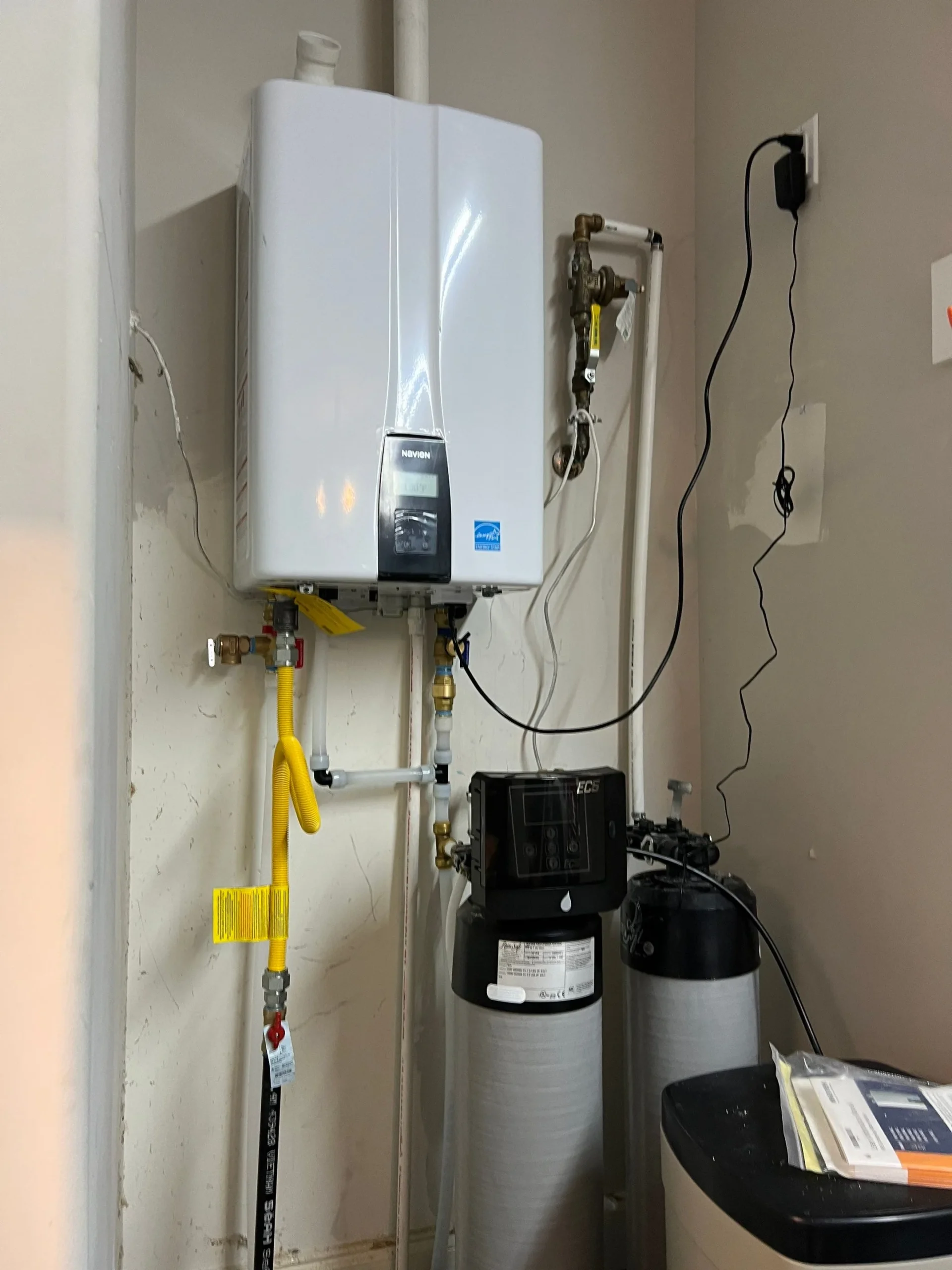
Water across the metro tests over 100 mg/L hard, and a tankless heat exchanger is exactly where that shows up. Scale coats the exchanger, the unit works harder for the same output, and left long enough it fails early. Annual descaling is the difference between a unit that lasts twenty years and one that disappoints in eight. We service what we install, and we will service one we did not.
If you are putting one in, price a softener or salt-free conditioner at the same time. It protects the exchanger and every fixture downstream of it.
Common Questions
Do I need a bigger gas line for a tankless heater?
Often yes. We run the load calculation for the whole house rather than the heater alone, and quote the line as part of the job instead of as a surprise once the old tank is out.
How long does a tankless installation take in Hermitage?
A straightforward conversion is usually a day. It stretches when the gas line has to be resized or the venting has to find a route through finished space.
How often does a tankless unit need servicing?
Once a year in this water. Descaling flushes the heat exchanger and keeps the unit at its rated output. Skipping it is the most common reason a tankless system underperforms.
Can you repair a tankless unit rather than replace it?
Usually. Flame rods, igniters, sensors and scaled exchangers are all serviceable, and a unit throwing an error code is normally telling you which one. We diagnose before recommending replacement, whoever installed it.
Is a tank still the better answer sometimes?
Yes, and we will say so. If the gas supply cannot be brought up to size at reasonable cost, there is no practical vent route, or you are selling soon, a conventional tank is the honest recommendation. See water heater repair and replacement.
More on how we price our work, including why we quote a fixed price instead of charging by the hour.
Thinking about tankless? Let’s size it properly.
Free onsite estimate across Hermitage, including the gas and venting work a conversion actually needs.