Nashville Metro Plumbing
Water Softeners in Nashville, TN
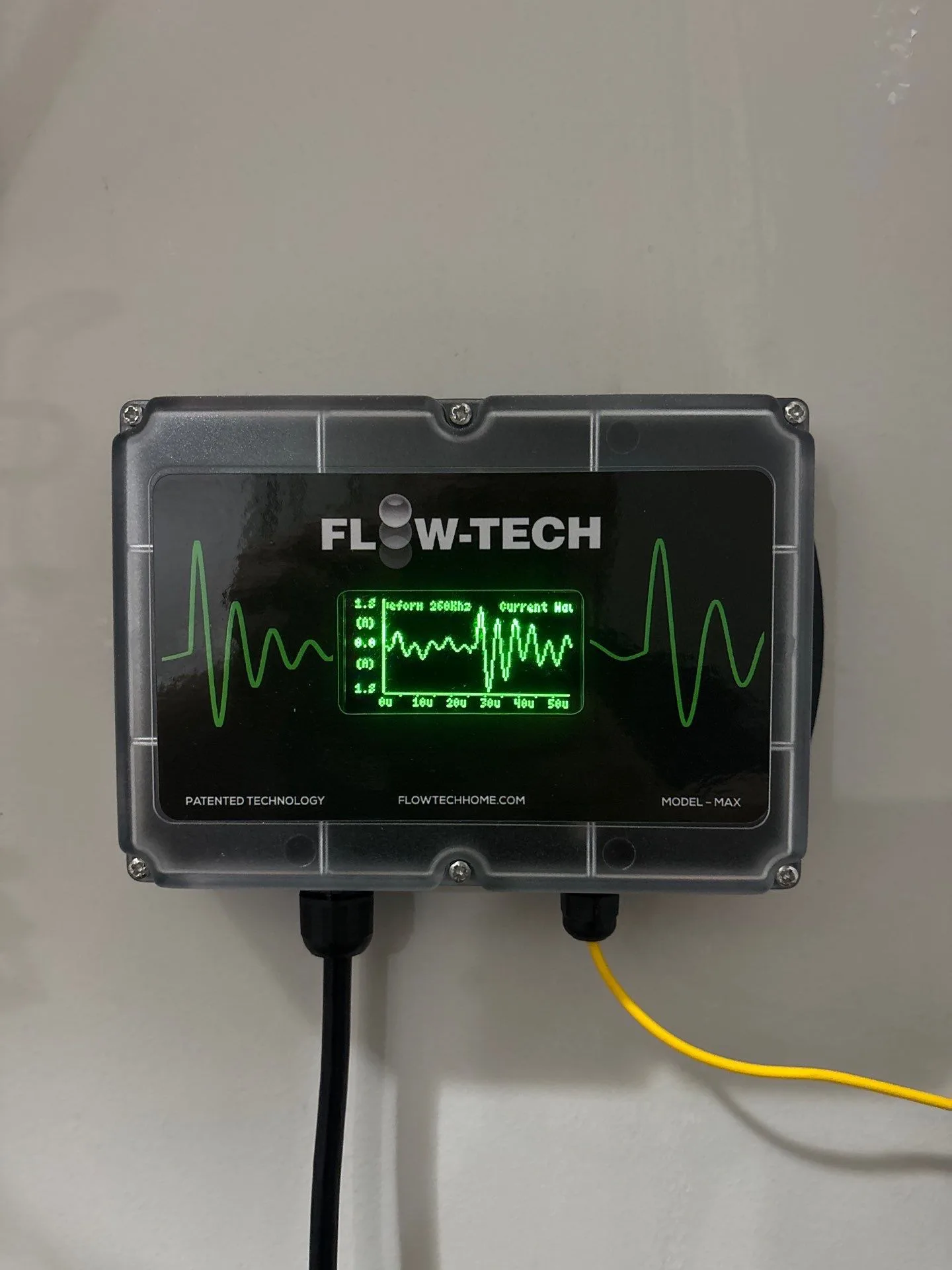
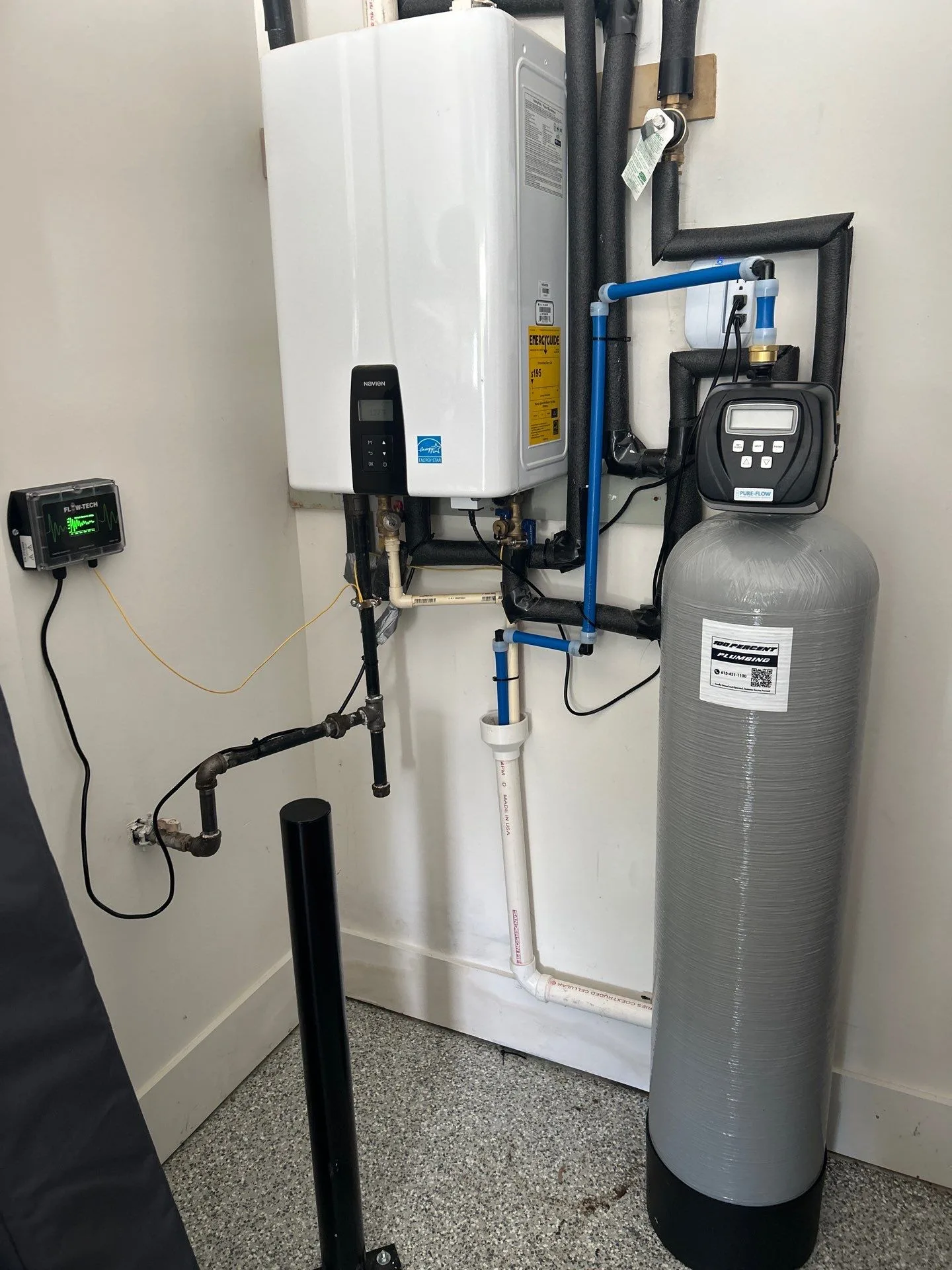
Nashville water tests at over 100 mg/L of total hardness, which is hard enough to shorten the life of a water heater. We install both traditional salt-based softeners and salt-free conditioners like the FlowTech MAX, and we will tell you which one actually suits your house.
100 Percent Plumbing · Nashville, TN
What Hard Water Costs You
The hardness in Nashville water comes from calcium and magnesium picked up from the limestone in the Cumberland River watershed. It is not a health problem. It is an equipment problem: scale builds up inside a water heater and makes it work harder for the same hot water, it wears out dishwashers and washing machines early, and it leaves chalky deposits on glass and fixtures.
Whether that is worth treating is a fair question, and the honest answer depends on how much it bothers you and what your appliances are worth. If you are already replacing a water heater, that is usually the moment it starts to pay for itself.
Signs You Have Hard Water
Chalky white deposits on glassware, fixtures and shower doors
A water heater that is noisier or slower to recover than it used to be
Dishwashers and washing machines failing earlier than they should
Soap and shampoo that will not lather properly
Scale visible at aerators, shower heads and the water heater relief valve
Two Ways to Deal With It
There are two different answers to hard water, and they are not the same product with different marketing. We install both, so we have no reason to push you toward either one.
Traditional salt-based softener
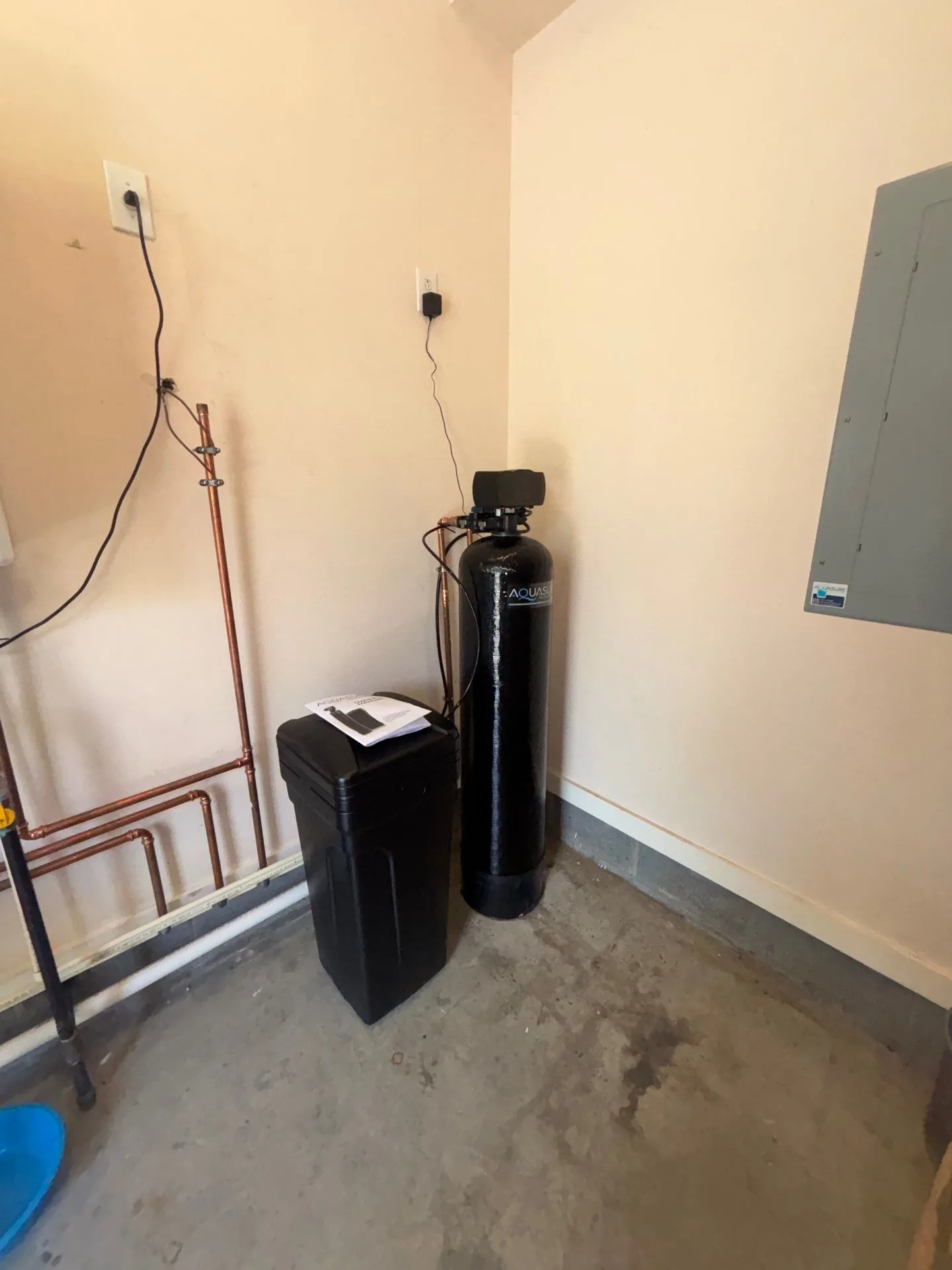
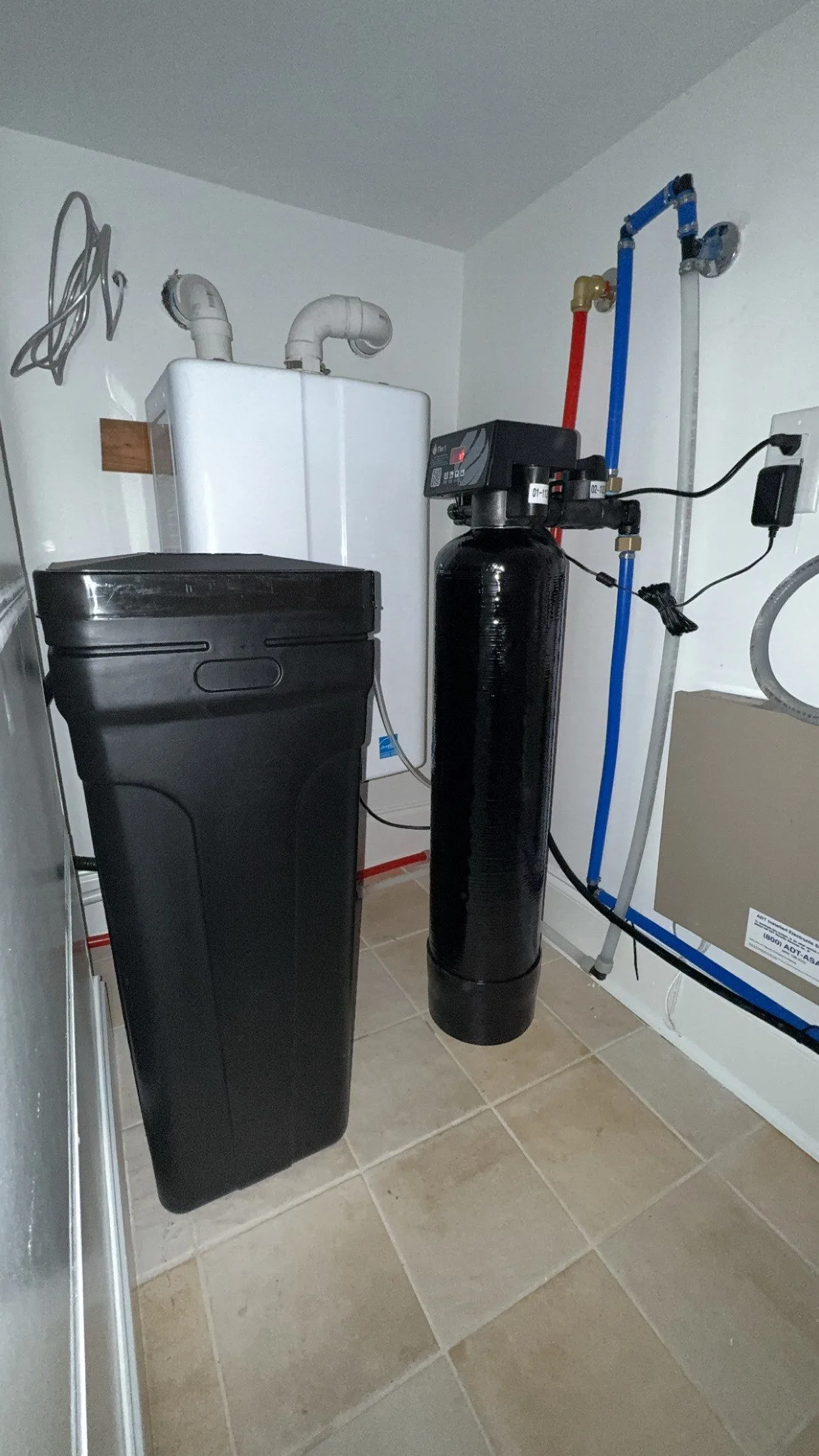
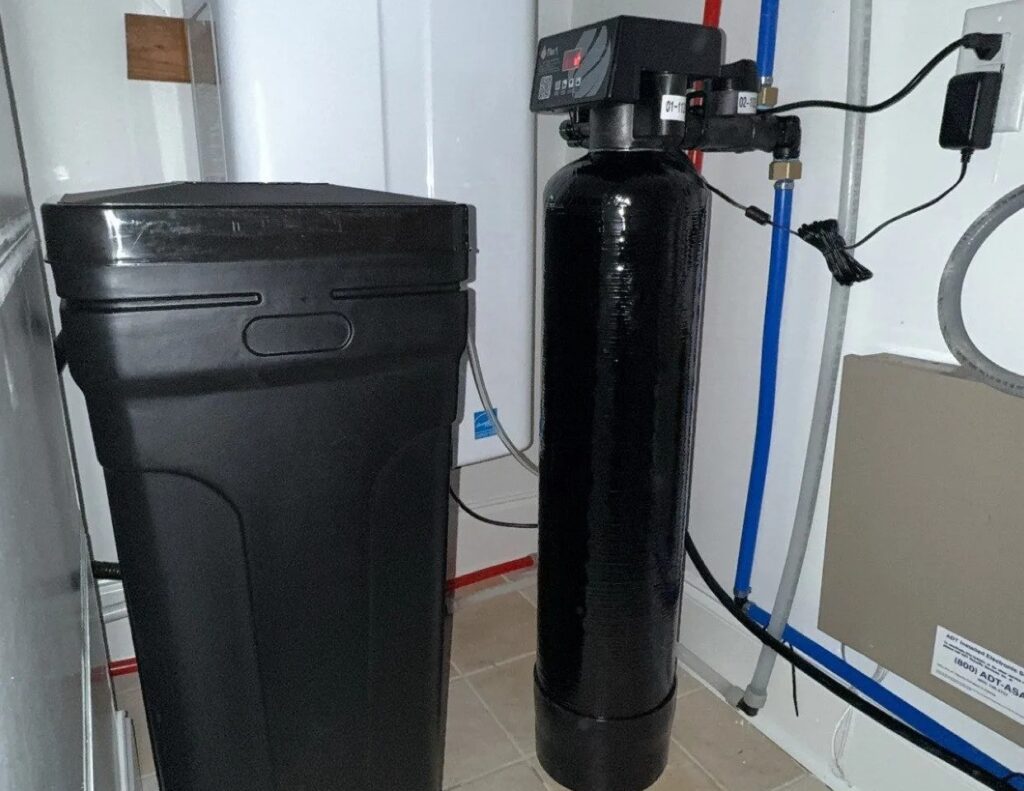
A conventional softener actually removes the calcium and magnesium, swapping them for sodium through ion exchange. It is the thorough option: it is the only one that gives you genuinely soft water, the kind that changes how soap lathers and how your skin feels. In exchange you buy and haul salt every four to six weeks for as long as you own it, the unit needs a drain and power, and it uses water to regenerate. Some people like the soft-water feel; some describe it as slick.
Salt-free conditioner, like the FlowTech MAX
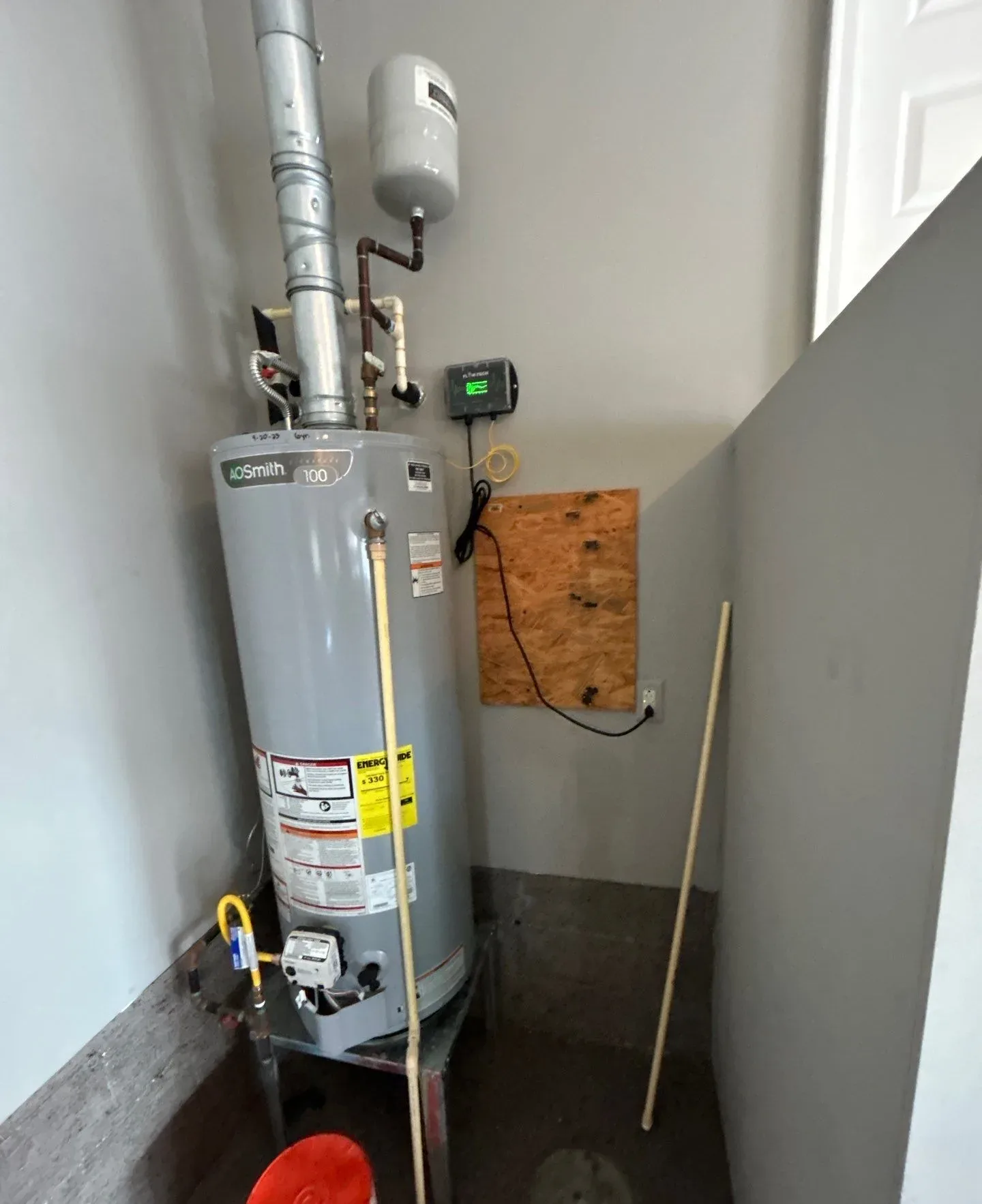
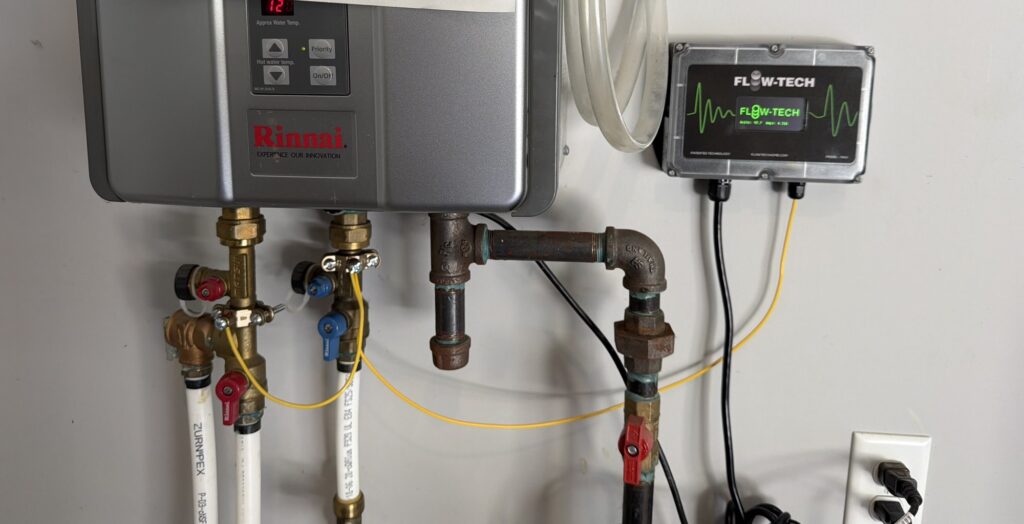
A salt-free system is not technically a softener, and it is worth being straight about that. It does not remove the hardness minerals. It changes their electrical charge so they stop bonding to surfaces, which stops scale forming and, over time, lifts scale that is already there. Nothing to refill, no drain required, no wastewater, and the water still feels like water. What it will not do is make soap lather like true soft water, because the minerals are still in there.
Which one we would put in
If your main concern is protecting the water heater and the appliances and you would rather never think about it again, the salt-free unit is usually the easier life. If you want the feel of soft water, or you have very hard water and a full house using it, the conventional softener does more. Where the main line comes in, whether there is a drain and power nearby, and whether the unit ends up in a garage, basement or crawlspace all matter too, and that is a conversation we would rather have standing in front of it.
Common Questions
Do I need a softener in Nashville?
Nashville water is hard enough that it shortens the life of water heaters and leaves scale on fixtures. Whether that is worth treating depends on how much it bothers you and what your appliances are worth to you.
Salt-free or conventional softener?
Conventional softeners remove hardness minerals through ion exchange and need salt. Salt-free conditioners change how the minerals behave so they do not scale, without removing them. Salt-free needs less maintenance; conventional is more thorough. We install both and will explain the tradeoff for your water.
How often do I have to add salt?
On a conventional softener, every four to six weeks for most households, and it does not stop. That is the single thing people most often want to get away from, and it is the main reason salt-free systems exist.
Will a softener fix the taste or the chlorine?
No. Softening deals with hardness and scale. Taste, smell and chlorine are a filtration problem, and that is a different piece of equipment. See water filtration or a reverse osmosis system for drinking water.
What affects installation cost?
Where the main line enters, whether there is a drain and power nearby, and whether the unit goes in a garage, basement, or crawlspace. Easy access keeps it simple. A salt-free unit is generally quicker to fit because it needs no drain.
More on how we price our work, including why we quote a fixed price instead of charging by the hour.
Not sure which one you need? That is what the estimate is for.
Free onsite estimates on every water softener and conditioner we install, salt or salt-free.